
7-Eleven Japan debuts new black-and-white rice ball packaging…but is it because of a naphtha shortage?
Archived Content: This article was published over 30 days ago. Travel rules and prices may have changed.Check official sources.
Convenience store range strips everything back to basics, including the rice balls. Just last month, Calbee, Japan’s leading snack manufacturer, announced it would be switching to black-and-white prin
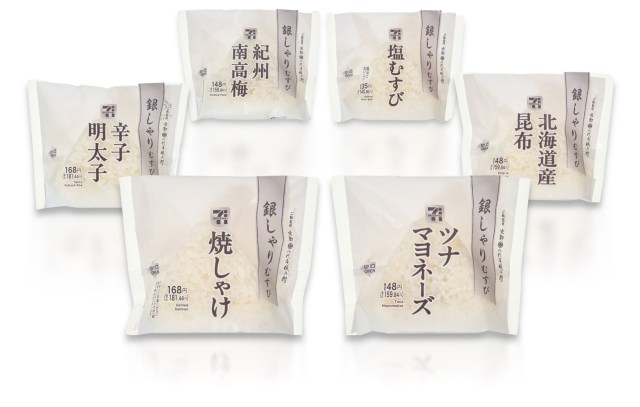
Convenience store range strips everything back to basics, including the rice balls.
Just last month, Calbee, Japan’s leading snack manufacturer, announced it would be switching to black-and-white printing on its potato chip packages due to a shortage of naphtha, an oil-derived component used in the production of solvents and resins to make printing inks. Ever since then, consumers have been keeping their eyes peeled to see if the naphtha shortage, caused by tensions in the Middle East, would be draining the colour from any other products in the marketplace. So when 7-Eleven announced it would be launching a new range of onigiri rice balls in plain packaging, using only black, white, and silver ink, people were quick to make the connection.
However, 7-Eleven says the simple new black, white and silver design is simply to reduce packaging costs and help keep prices down for the company and the consumer. It also aligns with the ethos surrounding the new rice balls, which focuses on simplicity by completely stripping them of seaweed, allowing customers to fully appreciate the texture, aroma and sweetness of every grain of rice.
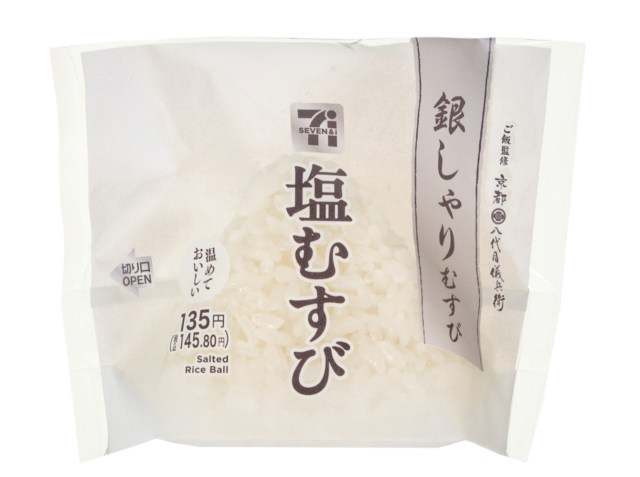
Taking a closer look at the range, it goes by the name “Gin Shari Musubi”, where “gin shari” (literally “silver rice”) refers to premium white rice, and “musubi”, a word often used interchangeably with “onigiri”, evokes a more refined sensibility. The simple paper packaging certainly gives the lineup a different look to the chain’s regular rice balls, but one downside that some people have been pointing out is** it’s hard to tell the difference between the varieties**.
▼ Tuna Mayonnaise (160 yen [US$0.99])
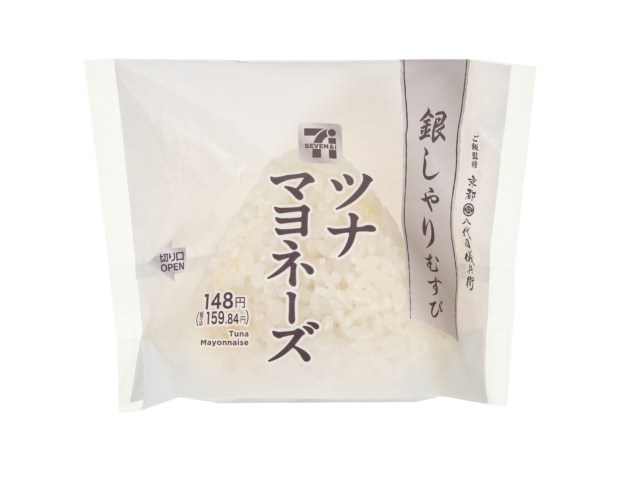
▼ Grilled Salmon (181 yen)

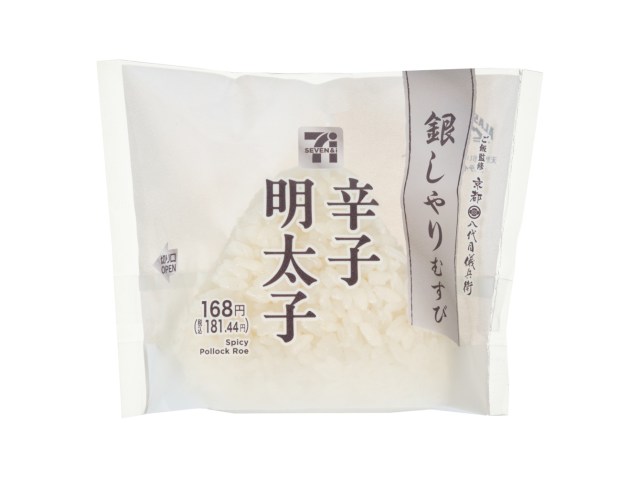
▼ Spicy Pollock Roe (181 yen)
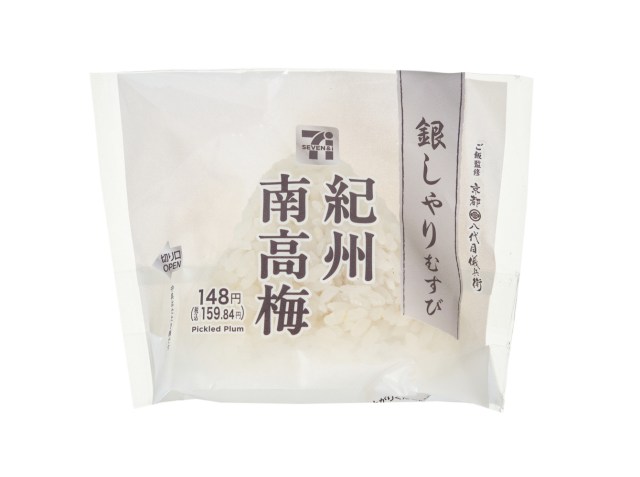
▼ Pickled Plum (160 yen)
▼ Kelp in Soy Sauce (160 yen)

▼ Salted Rice Ball (146 yen)
▼ By comparison, most 7-Eleven rice balls are sold in packages that look like these.
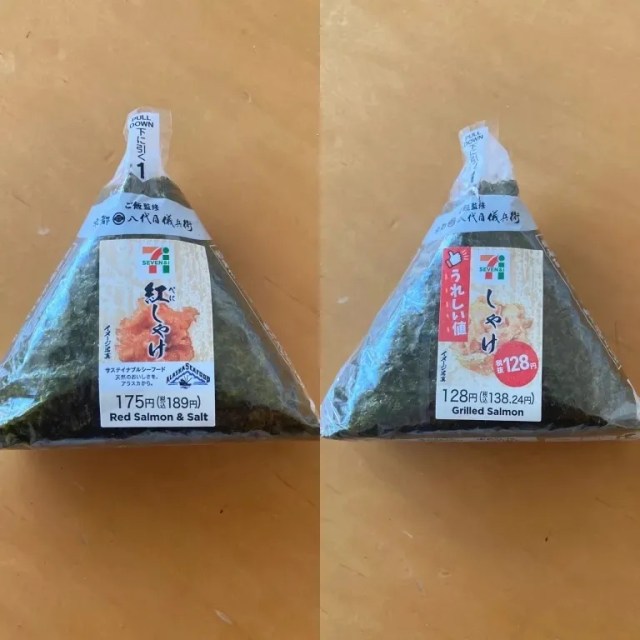
While 7-Eleven openly admits it’s reduced the number of ink colours used on the packaging in the new range, it’s staying mum on whether any other factors contributed to the direction of the design. With companies reviewing their costs now more than ever, though, it remains likely that the naphtha shortage played at least a small part in the decision to go ahead with the stripped-back design. Still, if it reduces costs, safeguards against potential future risks, and ensures we’re able to get a consistent supply of rice balls whenever we stop by a 7-Eleven, then personally, we don’t mind the new-look design.
Note: This article content is being automatically formatted. For the original source formatting, visit the link below.
Original source:SoraNews24 ↗
More Japan News

Will heat waves push European holidaymakers to ‘coolcations’?
The concept of "coolcations" — vacations in a cooler clime — has been gathering pace in recent years and appears to have exploded in 2026.

U.S. holds fire against Iran as reports emerge of stockpile concerns
The pause could reflect pressure on stockpiles of Patriot interceptors and other defensive weapons, U.S. media reports said.

Family Mart’s new Famima flagship in Tokyo has a hidden gem that most visitors miss
A must-try convenience store drink you won’t find anywhere else. Earlier this month, Family Mart shook up the convenience store scene by opening its first-ever flagship store, Famima Park Azabudai. Lo