Regions of Japan
Japan is a country of remarkable diversity, with each of its regions offering a unique blend of culture, history, and natural beauty. From the snowy mountains of Hokkaido in the north to the subtropical islands of Okinawa in the south, each area has its own charm and attractions. Whether you're drawn to bustling cities, tranquil rural landscapes, or historical sites, Japan's regions provide a wide range of experiences that reflect the nation's rich heritage and modern vibrancy. Below is an overview of the distinctive characteristics of each of Japan's regions, offering a glimpse into what makes them special.
Explore by Region
Japan consists of 47 prefectures divided into 9 distinct regions, each with its own dialect, food culture, and scenic highlights.

Hokkaido
Located in the north, Hokkaido is known for its cold winters, ski resorts, and natural beauty, including national parks, hot springs, and fresh seafood. Its capital, Sapporo, hosts the famous Snow Festival.

Tohoku
In the northeast, Tohoku is characterized by scenic mountains, hot springs, and rural landscapes. It's known for its quiet, historical towns like Sendai and its snowy winters.

Kanto
The Kanto region is home to Tokyo, the capital, and includes other major cities like Yokohama. It's the most populous and economically significant region, offering a blend of urban life, culture, and historical sites.

Chubu
Located in central Japan, Chubu is diverse, with the Japanese Alps, the Ise Shrine, and cities like Nagoya. It's also famous for its hot springs, traditional villages, and industrial powerhouses.

Kansai
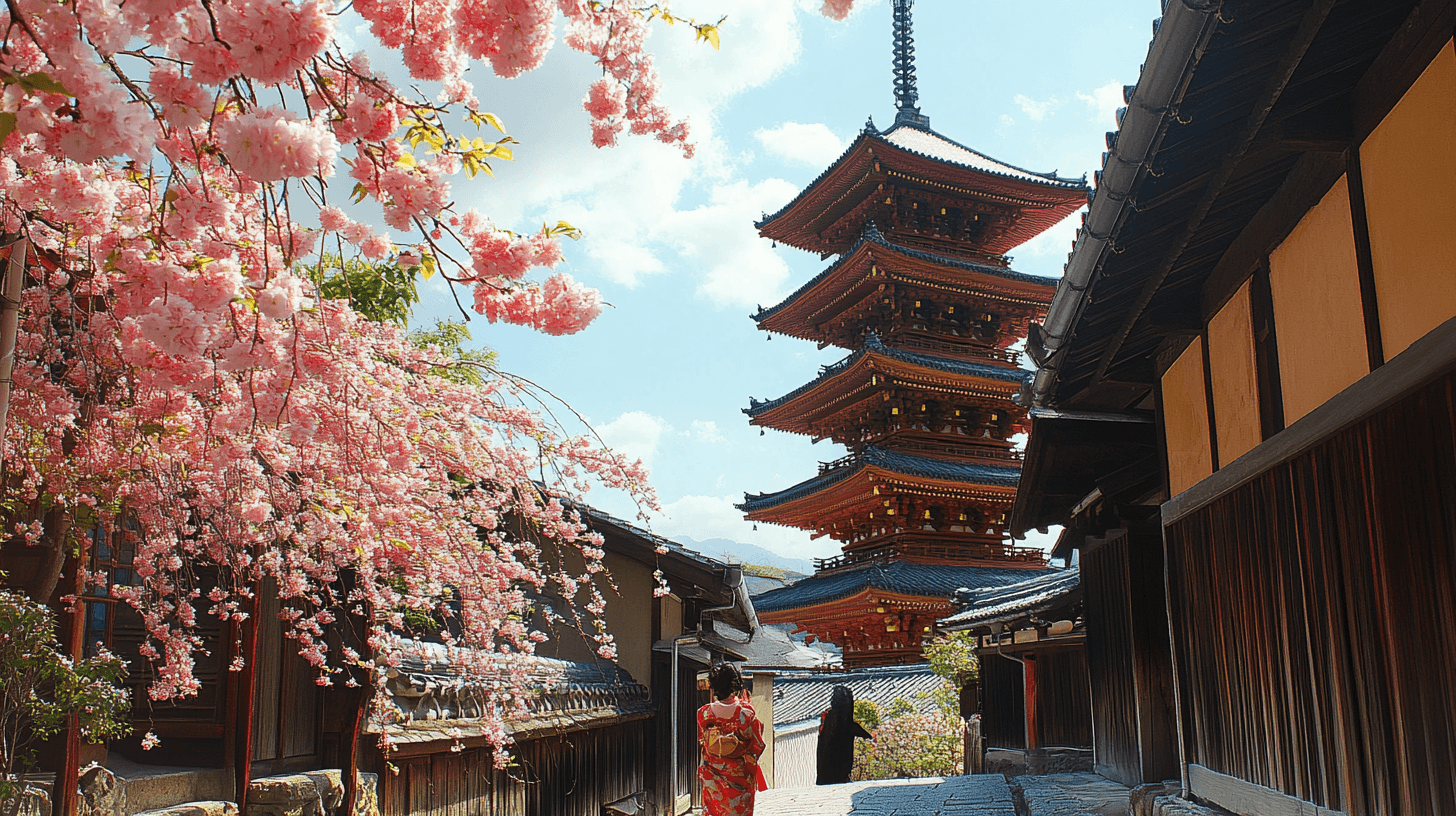
Known as the cultural heart of Japan, Kansai includes historic cities like Kyoto, Osaka, and Nara. It's rich in heritage, temples, and shrines, offering both modern entertainment and traditional experiences.

Chugoku
In western Japan, Chugoku is known for its historic sites like Hiroshima's Peace Memorial Park, scenic islands, and rural landscapes. It's a quieter, less urbanized region compared to others.

Shikoku
The smallest of Japan's main islands, Shikoku is known for its pilgrimage route of 88 temples, beautiful coastline, and peaceful rural landscapes. It's famous for its traditional culture and agriculture.

Kyushu
The southernmost of the main islands, Kyushu is known for its active volcanoes (like Mount Aso), hot springs, and historical sites. Cities like Fukuoka and Nagasaki offer a mix of modernity and tradition.

Okinawa
Okinawa is a group of tropical islands south of the main islands, known for its unique culture, subtropical climate, and beautiful beaches. It has a distinct history due to its former status as the independent Ryukyu Kingdom.
Unlock the Hidden Side of Japan
Join thousands of travelers getting exclusive weekly guides to festivals, culture, and off-the-beaten-path destinations. We share secrets you won't find in standard guidebooks.
We care about the protection of your data. Read our Privacy Policy.