
Hafu: “Foreign Passports This Way” and Other Everyday Moments in Japan
Archived Content: This article was published over 30 days ago. Travel rules and prices may have changed.Check official sources.
Small Moments That Quietly Highlight Being “Half” in Japan

Following on from my hafu article series, this piece shares my personal experience as a hafu woman in her early 30s living in Japan. While others may have different perspectives, these moments reflect my own everyday reality.
In Japan, identity is often assumed at a glance. For someone like me, where appearance and legal identity don’t always align, even the smallest interactions can become moments of quiet dissonance.
At the Airport Arrivals
[
](https://cdn.savvytokyo.com/app/uploads/2026/04/iStock-1057898902.jpg)Small interactions that have a way of repeating themselves
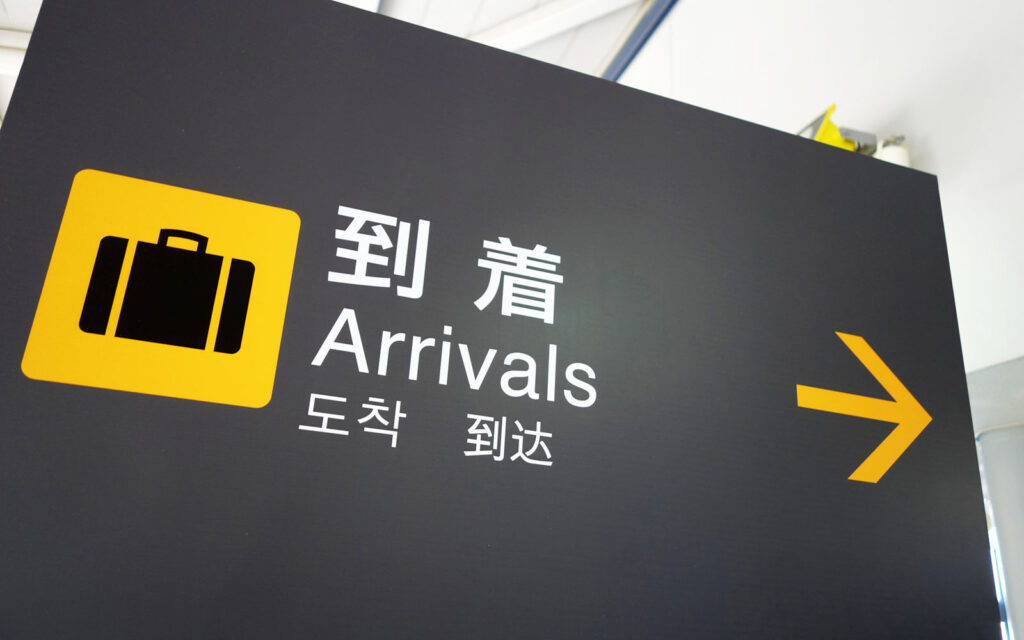
*“Foreign passports this way!” a staff member calls, gesturing firmly in my direction. *
I hesitate for a second, then walk toward the Japanese passport queue anyway.
“Foreign passports this way!” she calls again, this time pointing directly at me.
That’s when I raise my Japanese passport.
There’s a pause. A quick look at my passport, then back at my face.
“Oh… sorry.”
I smile and move on.
It’s a tiny interaction, easy to brush off. But moments like this have a way of repeating themselves. Quiet reminders that how I’m seen doesn’t always match who I am.
At a Cafe
[

](https://cdn.savvytokyo.com/app/uploads/2026/04/pixta_23341589_M.jpg)The awareness of being noticed. Of being… performed to.
I walk in alone, laptop in hand, looking for a quiet place to work.
As I pass a table, three men, maybe in their 30s, glance up. There’s a pause.
Then, as I sit down nearby, I start to hear it.
English.Loud. Deliberate. Slightly off.
And then random swear words, dropped into the conversation like punctuation.“F**… yeah… s***…”*
I don’t look up, but I can feel it. That subtle shift in atmosphere. The awareness of being noticed. Of being… performed to.
Are they trying to get my attention? Show off? Test something?
I keep working, pretending not to hear.
I don’t quite understand it. If I heard Spanish, French or even Korean nearby, I wouldn’t suddenly start throwing out swear words in that language.
Nothing is said directly to me. And yet, somehow, I’ve been pulled into the interaction, just by being there.
At a Pedestrian Crossing
[
](https://cdn.savvytokyo.com/app/uploads/2026/04/pixta_122102456_M.jpg)Are you Japanese?
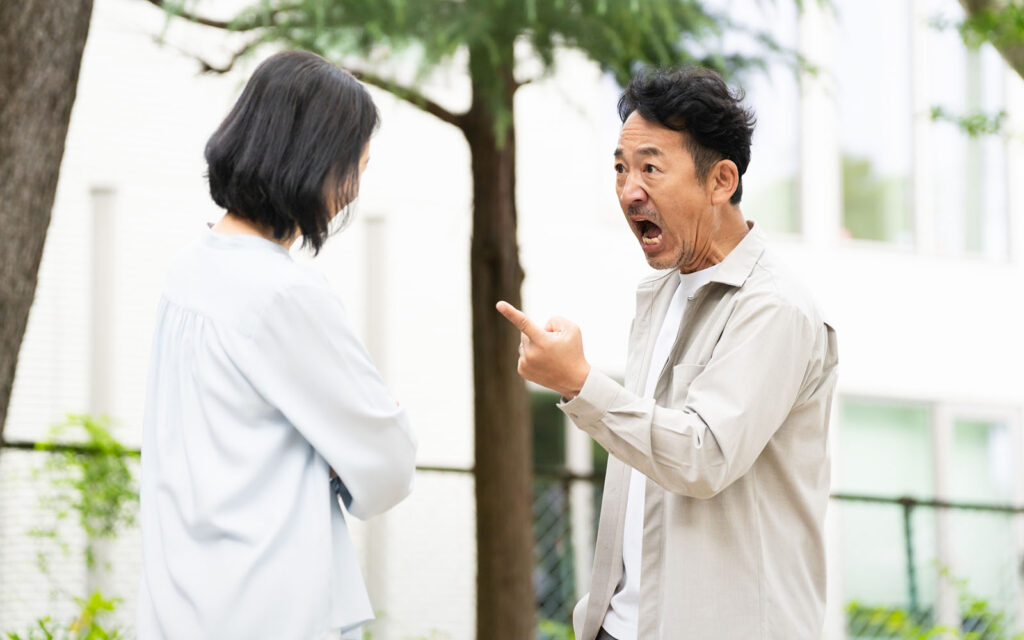
I’m waiting for the light to change when I notice an older man approaching. He looks straight at me.
Then, suddenly, he pushes past.
“邪魔だよ,” he mutters. You’re in the way.
I turn immediately.“すみません、押さなくても、言えばいいじゃないですか。”You don’t have to push me. You can just say it.
*He stops, clearly taken aback and asks in Japanese, “You understood that?” *
“Yes.”
A pause. Then the next question:“日本人なの?” Are you Japanese?
In Japanese, “Yes,” I reply. “But that doesn’t matter. Don’t push people.”
For a moment, he says nothing. Then, almost as quickly as it started, he backs off.
I don’t think this was about being a foreigner. Men like this, so-called “ぶつかり男” Bumping Man, don’t discriminate. But what stayed with me was how quickly his attitude shifted. Not when I spoke up, but when I said I was Japanese. In that moment, being understood wasn’t enough. Being Japanese was what changed everything.
At a Train Station Ticket Office
[

](https://cdn.savvytokyo.com/app/uploads/2026/04/pixta_136550319_M-copy.jpg)The language switch.
I take a number and wait for my turn at the ticket counter.
While I’m waiting, one of the staff members who helps customers with the machines keeps stealing looks at me, hesitating, looking away, then back again.
After a while, he approaches.“どこまでですか?” Where to?
I answer in Japanese, explaining where I’m going.
He nods. Then, mid-conversation, switches.“Ah… okay… I help you with machine.”
I pause, then reply in Japanese again.“ありがとうございます。でも次は私の番なので、このまま待ちます。” Thank you, but I’m next, so I’ll just wait.
He continues in English anyway. Slower now. More deliberate.
We finish the interaction like that. Him in English, me in Japanese.
It’s not a misunderstanding. It’s not about ability. The switch happens before any of that matters.
The “Tax-Free?” Assumption
[

](https://cdn.savvytokyo.com/app/uploads/2026/04/iStock-1217967960.jpg)Before I can be a customer, I’m a tourist.
At the counter, I place my items down.
I greet the cashier in Japanese, point card in hand.
But before a greeting, before asking if I have a point card, before even giving the total,“Tax-free?”
I pause for a second, then shake my head.
Only then do we move into the usual script:“ポイントカードお持ちですか?” Do you have a points card?
I nod, politely.
It’s a small detail, easy to miss. But in Japan, “tax-free” isn’t just a service. It’s a category. One that assumes you’re visiting. Passing through. Temporary. The order says everything. Not: Are you a regular customer? But: Are you a visitor? I’ve lived here long enough to have point cards I rarely use, a preferred payment method, and a routine. But in that moment, none of that is visible. Before I can be a customer, I’m a tourist.
In Between Moments
[

](https://cdn.savvytokyo.com/app/uploads/2026/04/Tabitha_Hafu_Article.jpg)© Photo by Tabitha Wilders
Over time, I’ve realized that not every moment needs a response. Some days, I have the energy to explain, to assert myself, to gently correct. Other days, I don’t, and that’s okay too. Navigating these interactions isn’t about choosing one approach every time, but about learning to read yourself just as much as the situation.
For younger hafus growing up in Japan, these moments can feel confusing or even isolating. But they don’t have to define you. You are allowed to take up space in whatever way feels most natural to you, whether that means correcting someone’s assumption or simply existing without explanation.
There is no single “right” way to respond to being seen as in-between. This identity does not need to be resolved or simplified. It can be fluid, situational and entirely your own.
Maybe that’s where the quiet strength lies. Not in constantly clarifying who you are, but in becoming comfortable with the fact that you don’t have to.
Have you ever felt ‘in between’ in Japan? Share your personal experiences in the comments!
Note: This article content is being automatically formatted. For the original source formatting, visit the link below.
Original source:Savvy Tokyo ↗
More Japan News

As Zimbabwe’s raw lithium ban pays off, ambitions grow
Buoyed by the development, the small southern African country is determined to go much further in its drive for local processing of its resources.

How are you supposed to wash a Japanese futon duvet at the laundromat?
Sure, that big, fluffy down blanket is a must for making it through a Japanese winter, but how are you supposed to clean it when summer comes around? Generally, living in Japan means hanging your laun

Studio Ghibli adds new Ponyo glassware to its anime lineup for summer
Stay cool with a little help from a Ghibli seaside town. When temperatures rise in Japan, so too does our desire for some cool respite, preferably along the lines of a seaside adventure like the one i