Japan’s Super Volunteer, 86-year-old Haruo Obata, heads to the Kumamoto earthquake site
Your friendly neighborhood Super Volunteer. On 28 July, a 7.1 magnitude earthquake struck Kumamoto Prefecture, just outside of Kumamoto City. Having taken years to recover from a set of comparable ear
Your friendly neighborhood Super Volunteer.
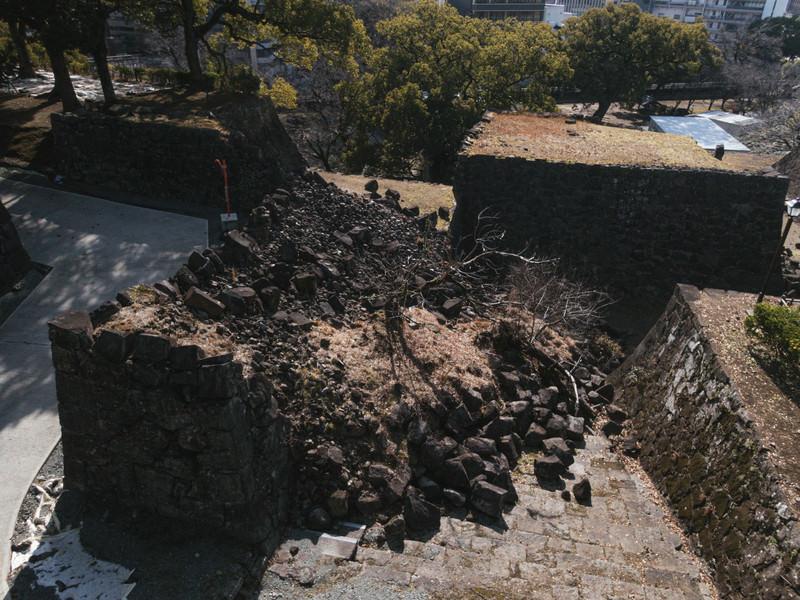
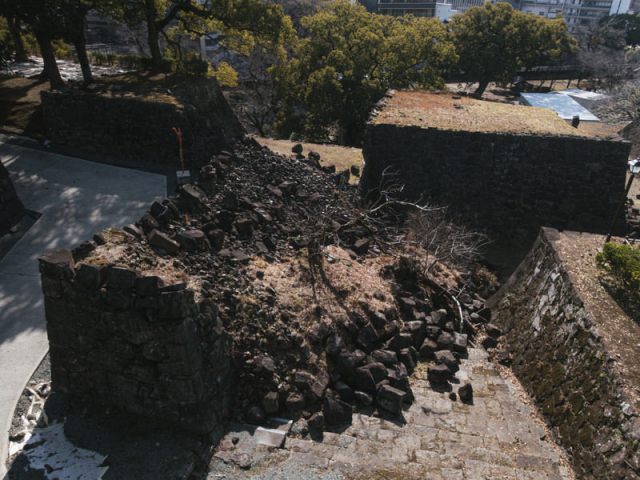
On 28 July, a 7.1 magnitude earthquake struck Kumamoto Prefecture, just outside of Kumamoto City. Having taken years to recover from a set of comparable earthquakes in 2016, being hit with another major one so soon completely undid a lot of that work. In addition, sweltering temperatures are making search and rescue efforts even more difficult and hazardous.
Against that backdrop, one man has decided to once again answer the call and drove out to the affected area to help. His name is Haruo Obata, and he’s been doing volunteer work in a number of capacities and all over the country for decades.
After retiring from his job as a fish merchant, he’s traveled around the country meeting people and helping out wherever he could, cleaning up nature trails, finding people’s lost belonging after disasters, and more. He shot to fame in 2018, after finding a missing two-year-old in Yamaguchi Prefecture in only about 30 minutes, and was dubbed Super Volunteer for his efforts ever since.
▼ Shortly after rescuing the child, Obata walked from Tokyo to his home in Oita, over 1,100 kilometers (680 miles) at the age of 79.
Since then, he seems to often pop up wherever a major disaster strikes and he’s within his ability to make it there. He’s been seen in the aftermath of the 2011 Tohoku Earthquake and even of Kumamoto Prefecture’s 2016 earthquakes. Now, living in nearby Oita Prefecture, the 86-year-old Obata is able to go to Kumamoto once again.
For those who aren’t familiar with Super Volunteer, this might seem concerning or even selfish on his part to inject himself into life-or-death situations, but Obata operates on a strict set of rules. In order to minimize his impact on disaster relief efforts, he tends to stay on the periphery and asks people who might otherwise get overlooked if he can do anything for them.
He also refuses to accept anything from residents. He brings his own food and supplies, sleeps in his car, and would never accept a dime from the people he helps, because what kind of Super Volunteer would do that?
However, by going to the disaster area, Obata is technically disobeying an order by the Kumamoto Prefectural government that volunteers stay away for the time being. This is not uncommon in such cases, as a sudden influx of people and supplies, especially non-essential ones, can cause disorder and do more harm than good.
Many readers of the news expressed in online comments that he is possibly buying too much into his own notoriety rather than looking out for others’ best interests. Others commented that even if he is acting perfectly selflessly, at his age it’s just not a good idea to get involved.
“I don’t care how super he is. If the governor says not to go, then don’t go. The heat is unbearable, there could be aftershocks, and there might even be a typhoon on the way.” “Kumamoto summers are really hard, especially on someone his age. I hope he stays home.” “I think his intentions are wonderful, but it might be time for him to retire.” “If the prefecture is saying not to go, then he should act like a Super Volunteer and exercise the proper caution.” “I get wanting to help, but at his age, if an aftershock happens, he’ll just be a burden.” “I really appreciate what he’s doing, but they’re telling him not to go.” “He’s not exactly an amateur at this. He’ll be fine.” “Let him go. I hate how inflexible people in Japan can be. He already saved a life.” “I can’t believe people on social media are bashing this guy who’s kept going for so long. You all just love tearing people down.” “I respect his ability, but at his age it’s probably time to stop.”
Unfortunately, it seems like there is a big misconception about what Obata actually does in these situations, though. He’s not exactly running into ground zero of the worst hit areas, pushing firefighters aside, and trying to lift slabs of concrete by himself to get a piece of the spotlight.
▼ In this report from 2023, Obata helps a rural area that suffered widespread landslide damage in Fukuoka Prefecture and had a shortage of volunteers to help with the cleanup and repairs.
He got himself checked out at the hospital immediately before departing to Kumamoto to make sure he was fit to do so, and in the past, other rescue workers and residents of affected areas have praised Obata for his ability to do good without bothering others. He simply asks around to see if people need anything, even if it’s something as simple as helping clean up around a person’s home or helping find lost mementos.
That’s certainly enough for a person his age to handle, and in fact I’d say it’s a downright super thing to do.
Image: Pakutaso
Note: This article content is being automatically formatted. For the original source formatting, visit the link below.
Original source:SoraNews24 ↗
More Japan News
Organizers work to balance tone for Hiroshima A-bomb children’s exhibit
The new exhibit will have selective materials for children to view amid a fear they could leave only thinking they saw something horrifying rather than thinking about peace.
7-Eleven Japan rethinks convenience store sandwiches with a wild new choc-mint variety
Convenience store chain tests our limits by turning the divisive flavour into a cream sandwich. In recent years, choc mint has become synonymous with summer in Japan, as the menthol component is belie

Japanese popsicle experiment says eating one before going outside in summer helps keep you cool
Maker of Garigari-kun explores whether one of Japan’s favorite frozen treats can work as a pre-cooling agent. There’s an old adage that says the best time to fix your roof is when the sun is shining,