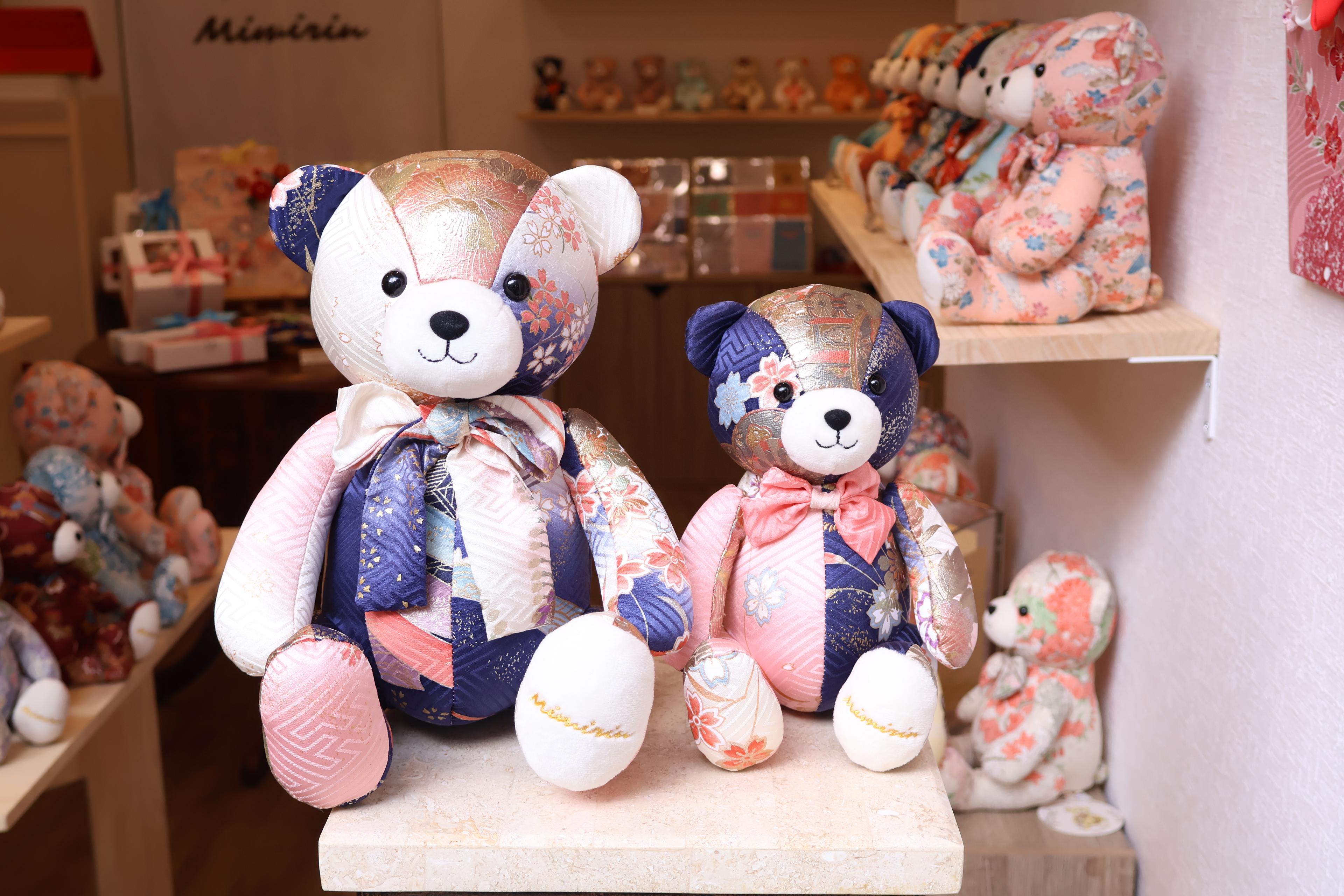
Kyoto shop turns traditional Japanese kimono into teddy bears, with special meaning hidden in their patterns
Mimirin in Gion gives us a new way to embrace Japanese culture… literally. Japanese kimono are an important part of the country’s cultural identity, but with changing lifestyles there are now less and
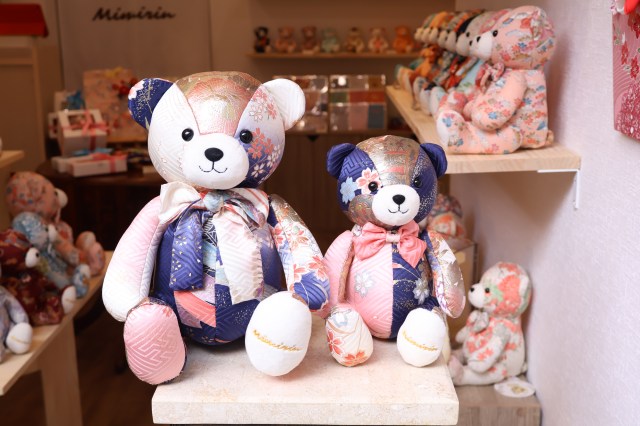
Mimirin in Gion gives us a new way to embrace Japanese culture… literally.
Japanese kimono are an important part of the country’s cultural identity, but with changing lifestyles there are now less and less opportunities to wear them. This has led some people to come up with new and creative uses for kimono, to help keep the culture alive in the modern world, and one of those people is Mina Ichikawa, who came up with the brilliant idea to turn kimono into teddy bears.
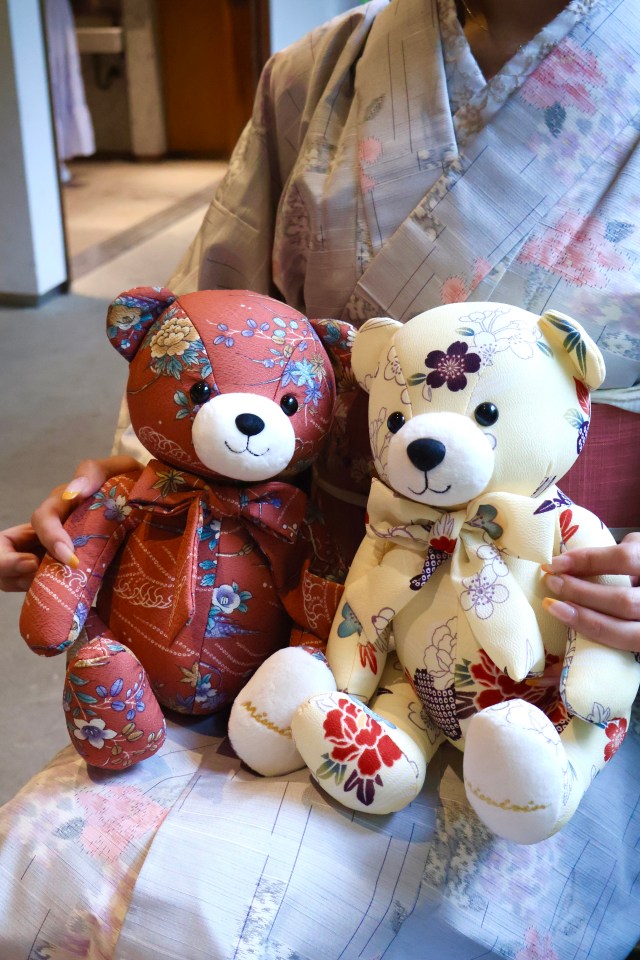
Ichikawa, who studied Japanese culture at university in Japan and sustainability at Lund University in Sweden, first thought of the idea when her mother began working as a kimono dresser several years ago. After becoming aware of** the huge number of kimono that were being discarded**, despite the beautiful fabrics and traditional craftsmanship that went into making them, Ichikawa sought to find a way to repurpose them.
▼ She found her answer in the** teddy bear **– an object that transcends borders, appealing to people regardless of age or nationality.
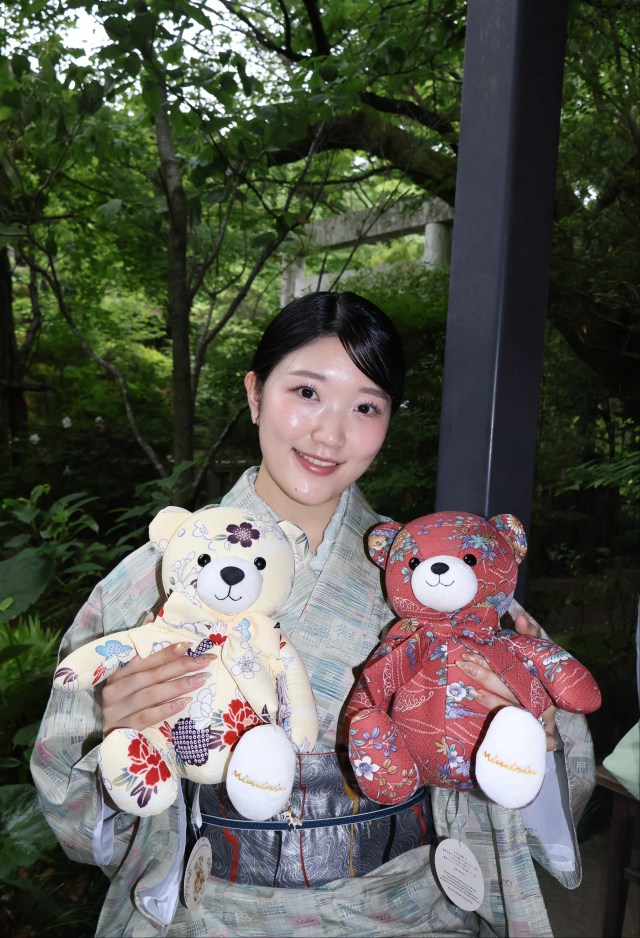
Determined to make her dream a reality, Ichikawa worked hard on the designs, right down to the choice of fabric.
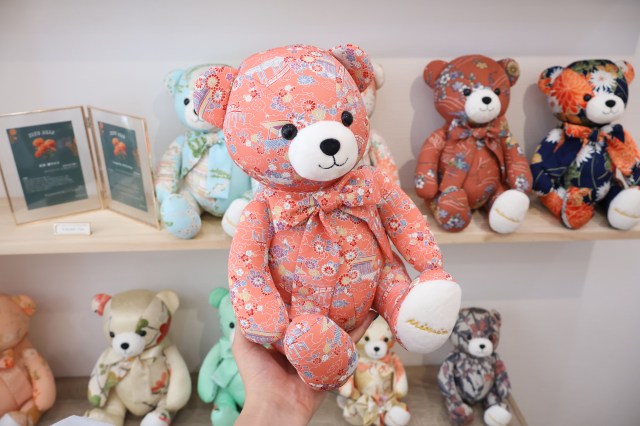
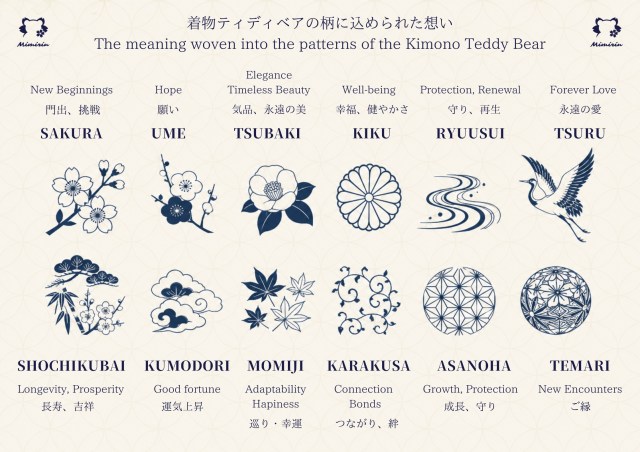
Through the use of** auspicious motifs and patterns**, she was able to imbue each teddy bear with** symbolic meaning**, making them even more personal and special.
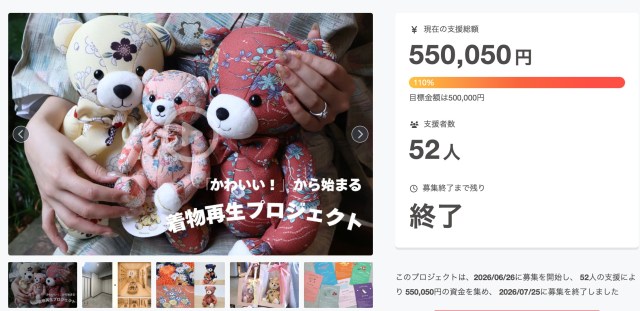
After a successful crowdfunding campaign, which raised 550,050 yen (US$3,700), exceeding its 500,000-yen target, 24-year-old Ichikawa opened her first store, Mimirin, in Kyoto’s Gion district on 8 August.
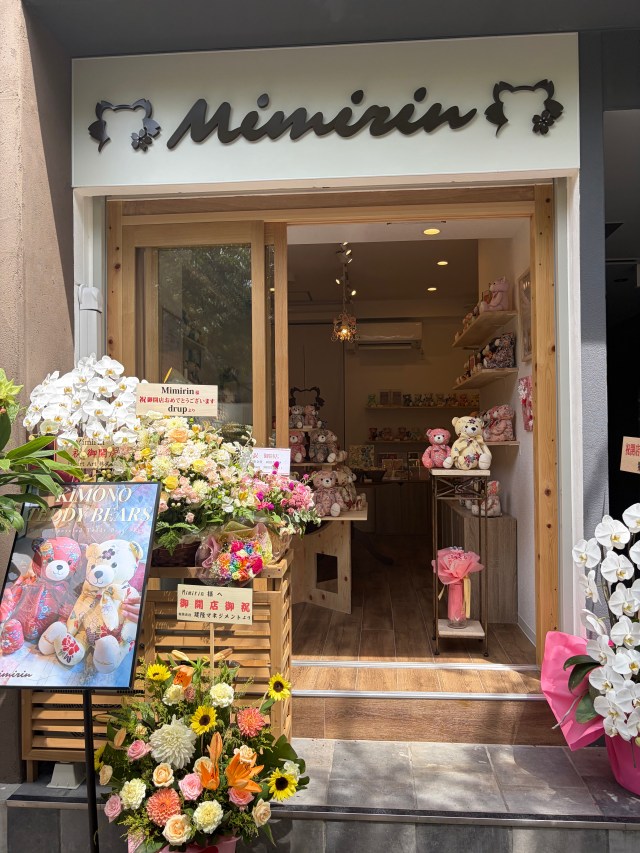
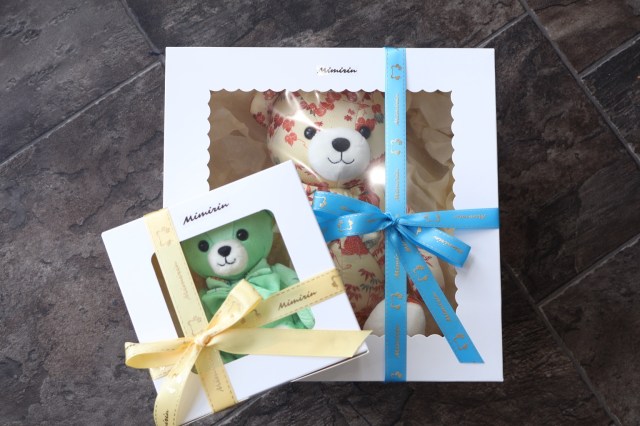
With Mimirin’s slogan, “Bringing tradition into the palm of your hand” as its guiding principle, each Mimirin teddy bear is made using** kimono fabric** or an unused bolt of kimono cloth, and because the fabric is cut differently for every bear, no two are exactly alike.
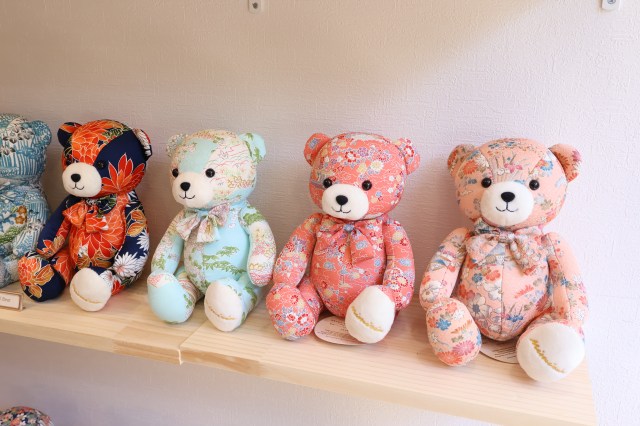
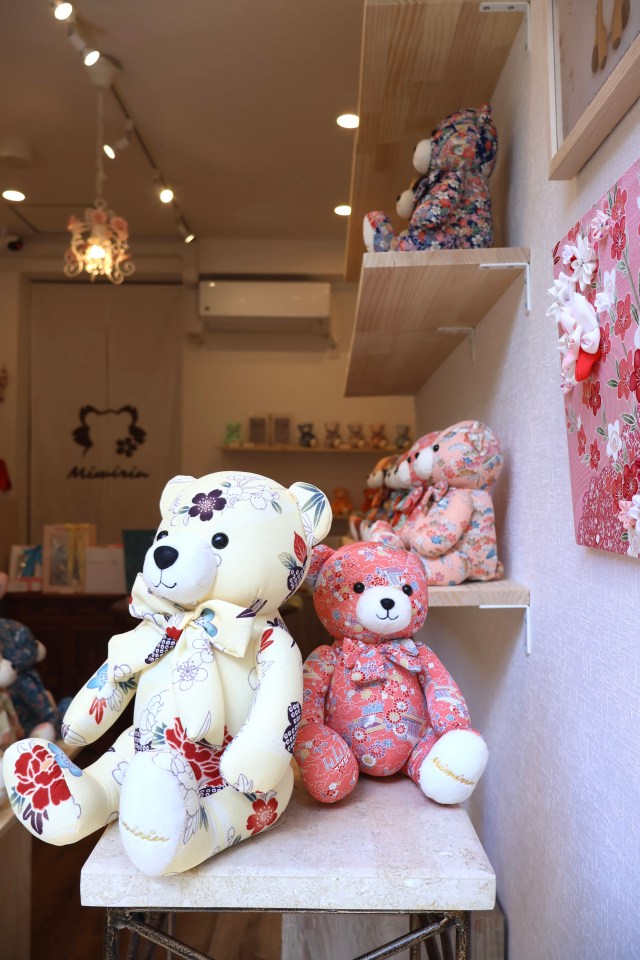
Even bears made from the same kimono can look completely different depending on which part of the pattern is used and how the colours fall across the finished bear.
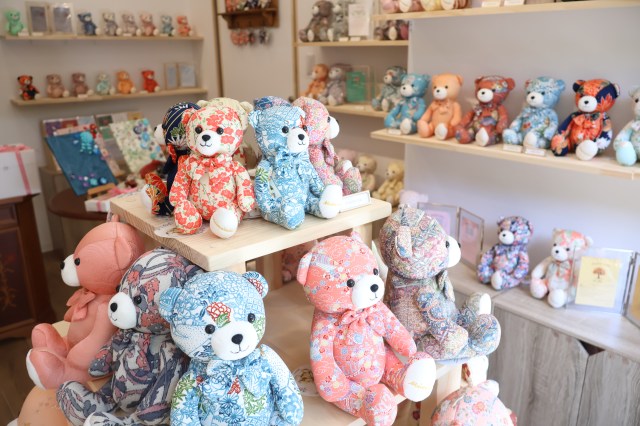
Combining beauty and symbolism, the bears make for meaningful gifts, and are perfect for souvenirs or special occasions like a birthday or** new baby** celebration. Some of the motifs you’ll find on the teddy bears are cherry blossoms, to represent new beginnings, asanoha (hemp leaf) for healthy growth and protection from evil, and chrysanthemums, which are traditionally connected with longevity and nobility.
▼ The bears start at 8,600 yen (US$53.98) for the small size, and go up to 18,000 yen for the medium and 26,000 yen for the large.
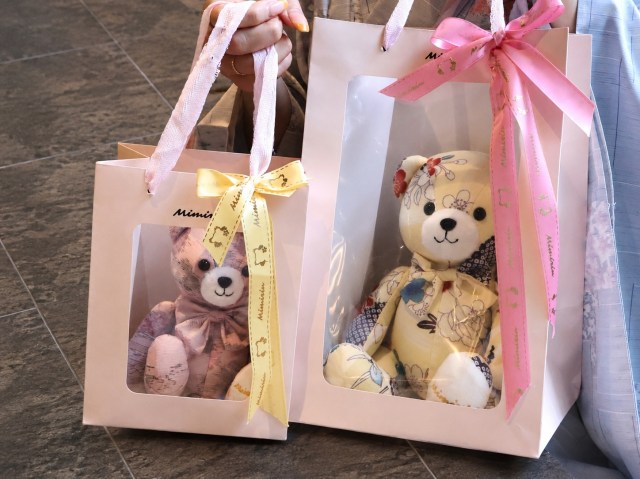
The shop also offers a custom-made service using customers’ own beloved kimono, so that rather than sitting unused in storage, a treasured garment filled with memories can be transformed into something meaningful that can remain with its owner for years to come.
By giving kimono a new life in the form of teddy bears, Mimirin hopes its products can carry the stories and wishes traditionally woven into kimono patterns into the future. The new shop in Gion, an area of Kyoto teeming with tradition, is said to be the first step towards achieving this goal, with plans to open more stores in tourist destinations around Japan and overseas in years to come.
**Store information **Mimirin [Kimono Teddy Bear Shop] Kyoto Store / Mimirin [Kimono Teddy Bear Shop] 京都店 Address: Kyoto-fu, Kyoto-shi, Higashiyama-ku, Miyoshicho 334, SRSX 1F South 京都府京都市東山区三吉町334 SRSX 1階南 Open 10:30 a.m.-7:00 p.m. Website Instagram
Note: This article content is being automatically formatted. For the original source formatting, visit the link below.
Original source:SoraNews24 ↗
More Japan News
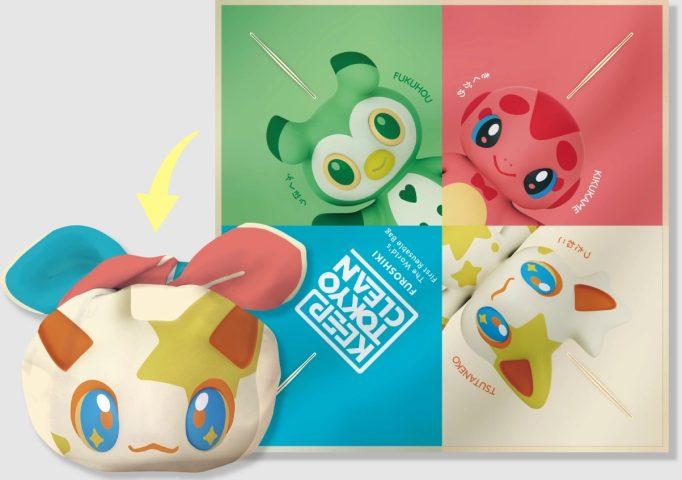
Tokyo giving out free furoshiki from Pikachu’s designer to help tourists carry their garbage home
The traditional, reusable cloth that can be converted into a bag is part of a new campaign designed to “Keep Tokyo Clean.” As we’ve covered before, public trash cans are a fairly rare sight throughout
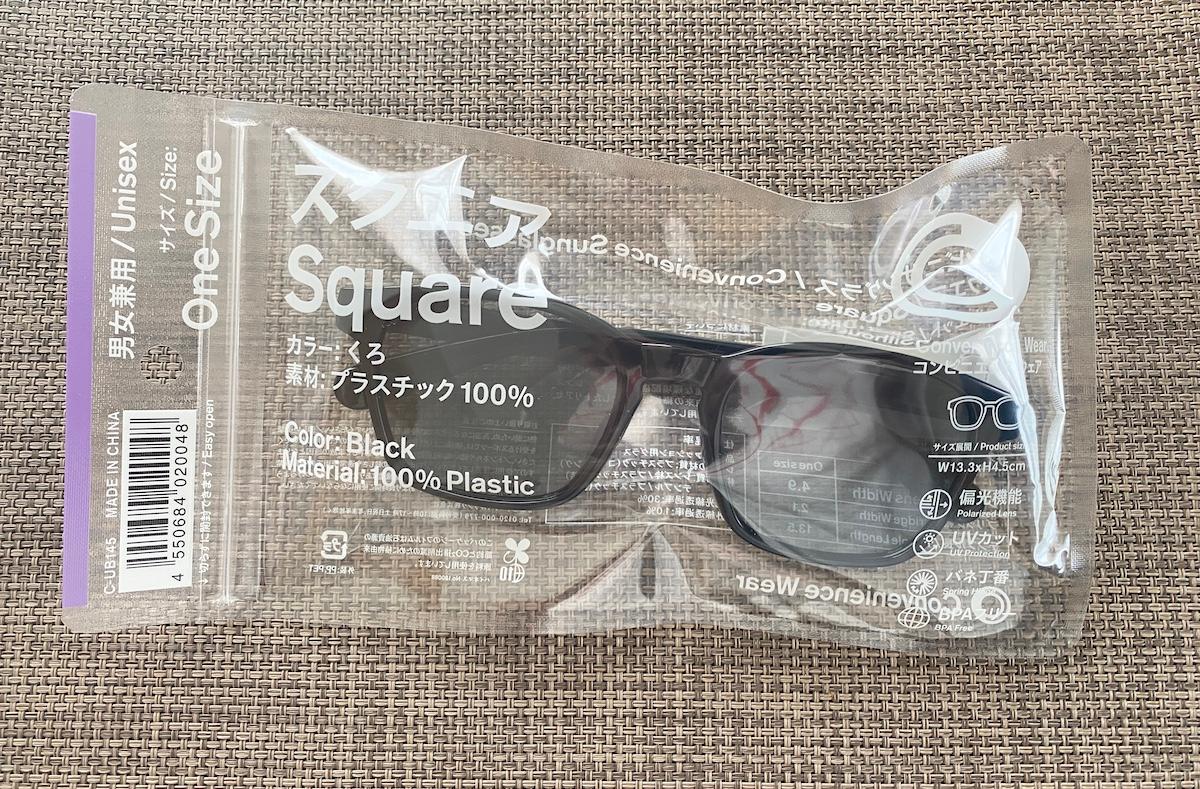
Japanese convenience store sunglasses just became our newest Convenience Wear obsession
Family Mart has an “it’ll do” pair of sunglasses that might become your favourite pair. Sunglasses can be a bit of a hot-button topic amongst tourists visiting Japan, as they’re not commonly worn here
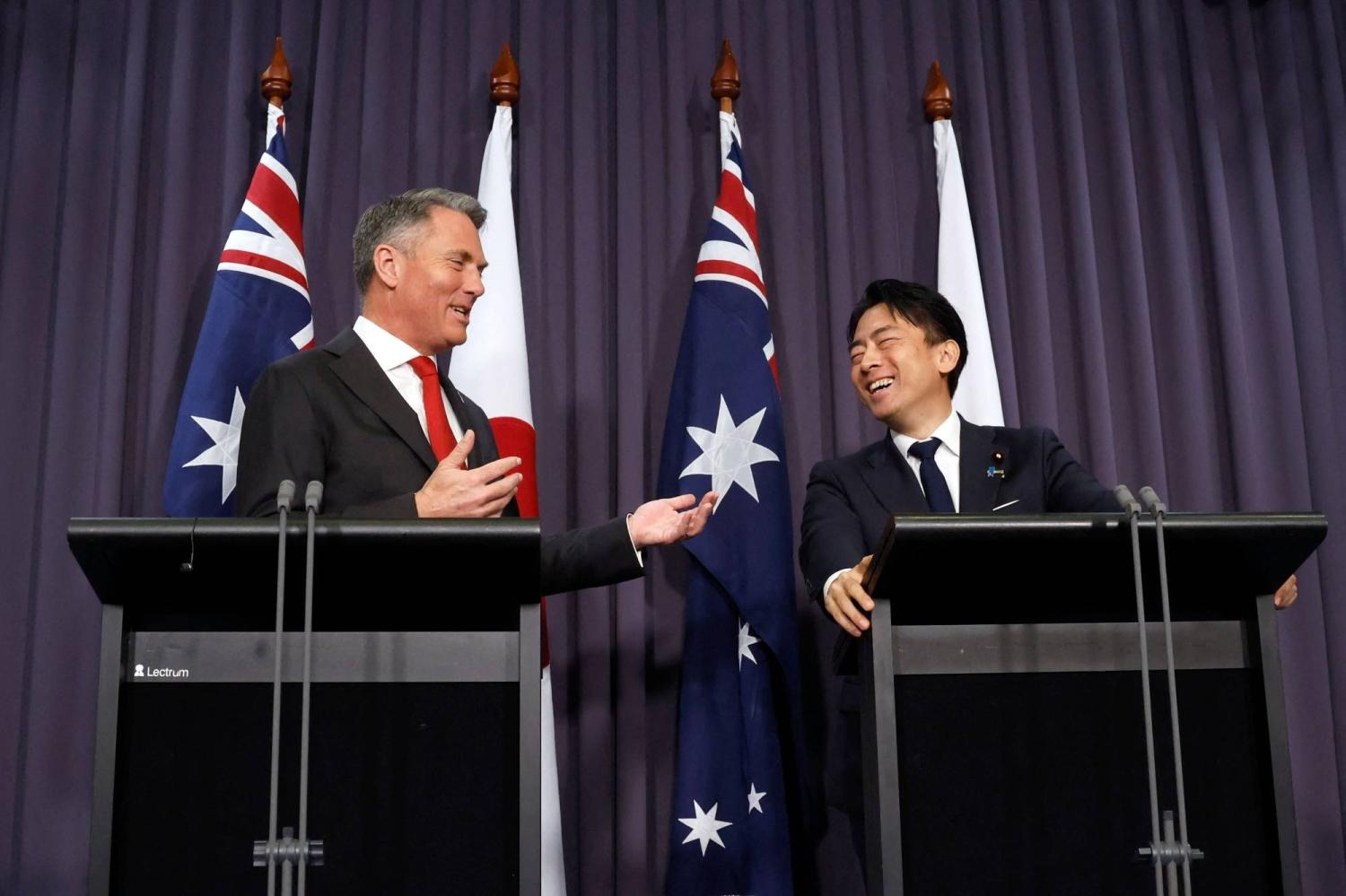
Japan and Australia defense chiefs tout ‘significant’ progress on high-energy laser
Defense Minister Shinjiro Koizumi said the advances were a breakthrough not only for bilateral ties but also for Japan's own defense industry.