
Lawson convenience store at popular tourist site is one of the most unusual in Japan
Archived Content: This article was published over 30 days ago. Travel rules and prices may have changed.Check official sources.
Japanese konbini blends into a setting that inspired Studio Ghibli. Japanese convenience stores are known for their bright lights and stand-out signage, but in a country filled with traditional landsc
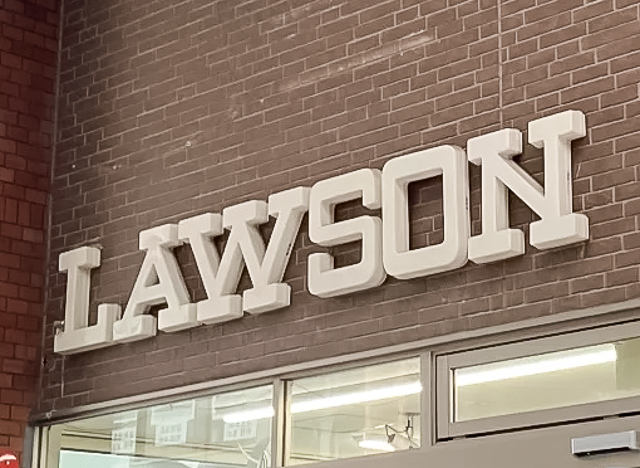
Japanese konbini blends into a setting that inspired Studio Ghibli.
Japanese convenience stores are known for their bright lights and stand-out signage, but in a country filled with traditional landscapes, these features can sometimes be at odds with their surroundings. That’s certainly the case at Dogo Onsen in Matsuyama City, Ehime Prefecture, where you’ll find a beautiful bathhouse building with over a thousand years of history.
Dogo Onsen’s Main Building was constructed in 1894 and is one of the most iconic in Japan, even serving as a model for the Aburaya bathhouse in Studio Ghibli’s animated feature film Spirited Away.
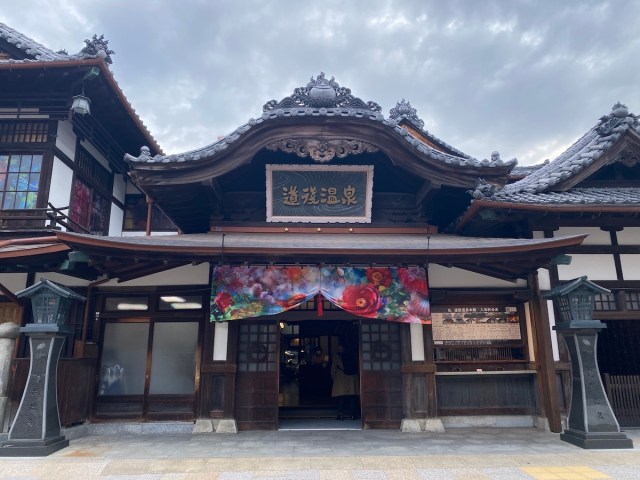
The area around the public hot spring building retains a sense of traditional Japan, with beautiful features that draw tourists from far and wide.
▼ One of those features is a free footbath right in front of the station.
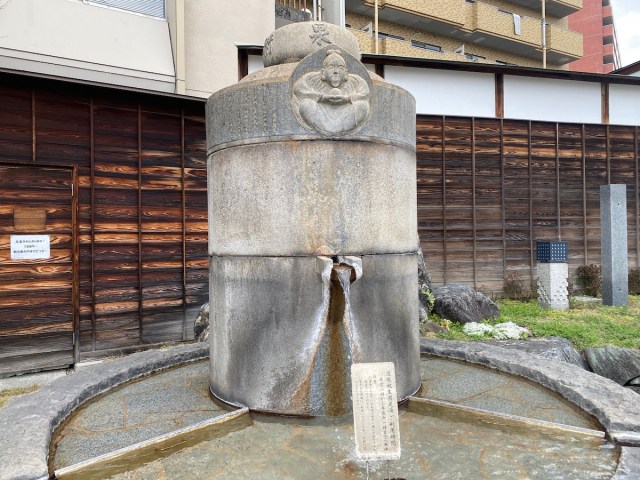
▼ The footbath can be used from 6 a.m. to 11:00 p.m.
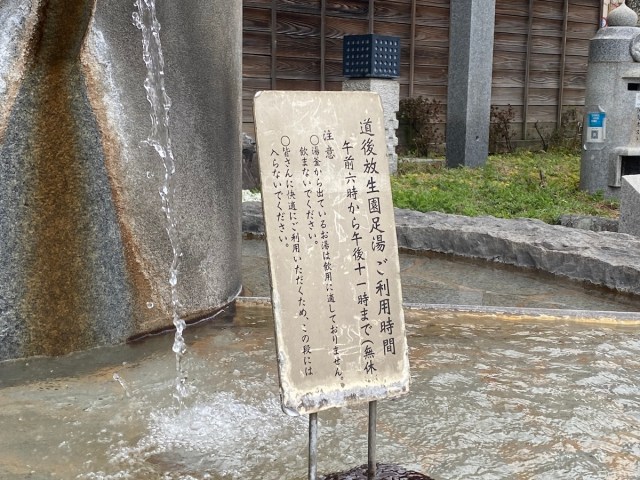
Though the footbath and the onsen building have set hours for use, one place that doesn’t have any time restraints is the Lawson in the covered arcade right next to Dogo Onsen.
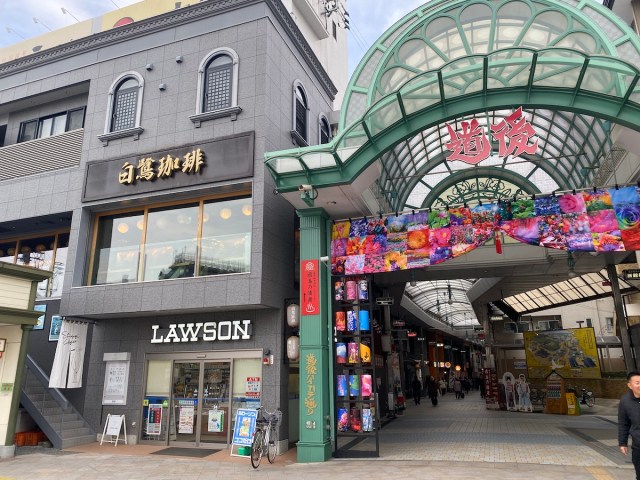
There are some things that make it different to most of the other Lawsons you’ll come across in Japan, though, starting with its unusual appearance.
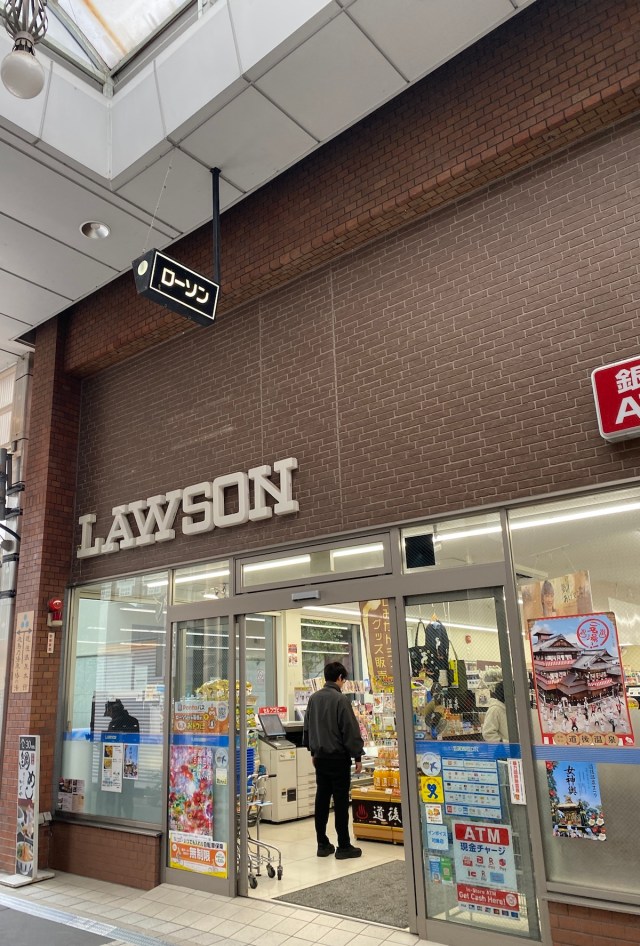
Most Lawsons around Japan display bright neon signs in the chain’s distinctive blue-and-white colours, but this location features an unusual brick facade and simple white signage.
▼ Above the entrance you’ll find another unique quirk – the word “ローソン” (“Lawson”) on a black-and-white sign.
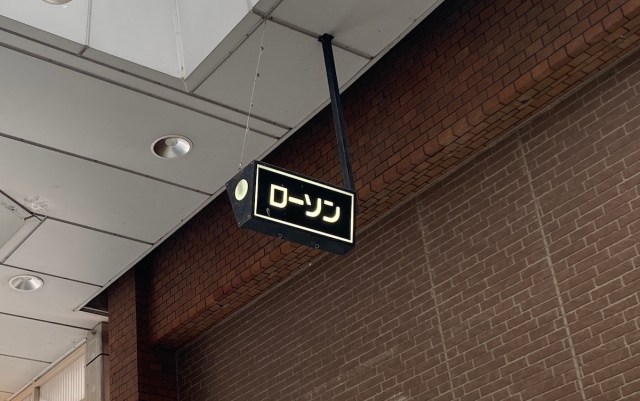
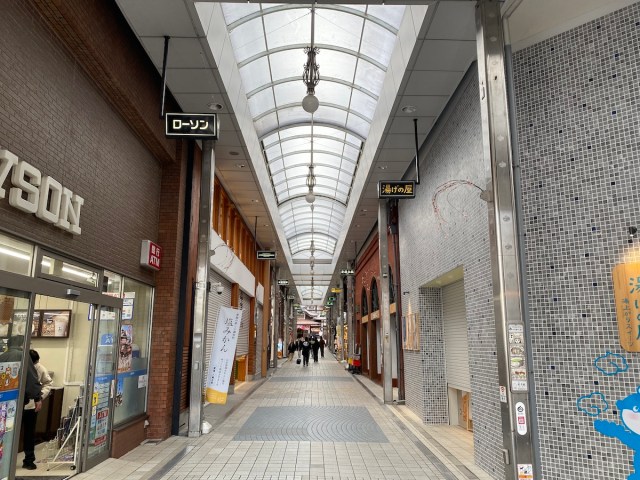
By displaying the word “Lawson” in katakana script, the sign fits in nicely with those above other stores in the shopping arcade, blending in with the retro feel.
Inside this branch you’ll find a more familiar Lawson-style setup, but there are still some surprises in store, as it’s the only Lawson in Japan where you’ll find mikan juice on tap.
▼ The sign promoting the in-store mikan juice tap reads “日本全国ローソンでココだけ” (“Out of all the Lawsons in the country, only here”).
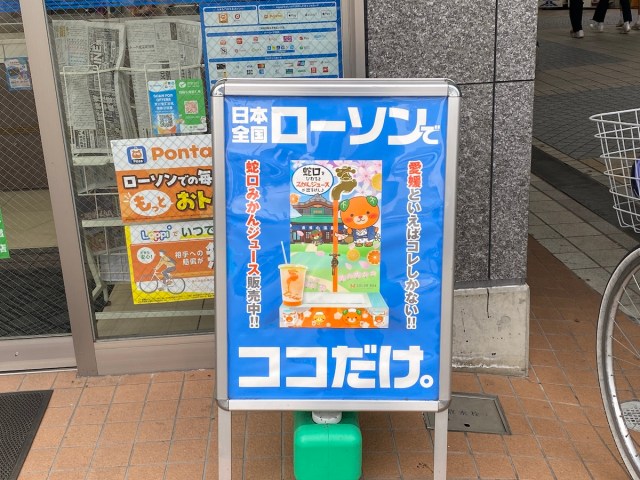
Ehime is synonymous with high-quality mikan, so it’s nice to see this Lawson supporting local agriculture in a way that appeals to visitrs from outside the prefecture. There are some other local specials that’ll also appeal to tourists, including Pon Juice, a refreshing mikan drink made in Ehime, along with Pon Juice gummies, citrus sweets, and citrus-flavoured ice cream.
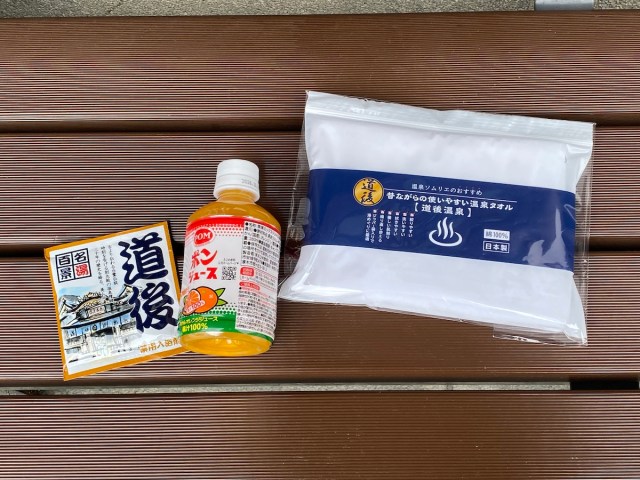
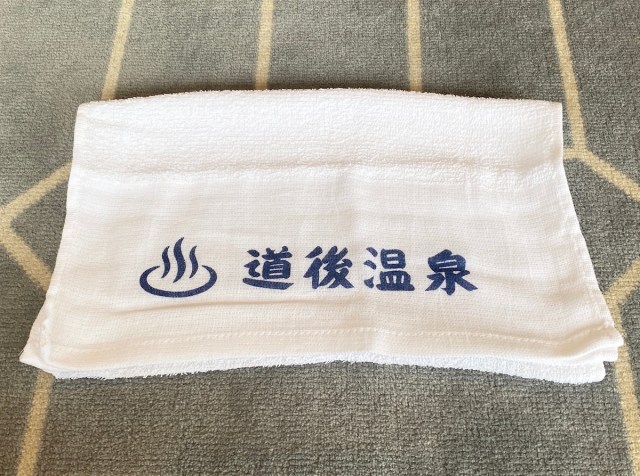
Another must-have is a hot spring towel (440 yen [US$2.76]) made by Imabari, an esteemed towel manufacturer in the nearby city of Imabari, and some Dogo Onsen bath salts (132 yen per sachet) so you can relive the local bathhouse culture at home.
One of the great things about Dogo Onsen is the way you can stroll around town after enjoying a soak inside the historic bathhouse, and if you stop by this Lawson you’ll be able to get a taste of the prefecture and some local goods to take home with you too.
It’s convenience stores like this that remind us how important they are to local communities, and if you’d like to explore more unusual branches in Japan, you can find a wooden Lawson in Kumamoto and a brown Lawson on an island with a volcano.
Note: This article content is being automatically formatted. For the original source formatting, visit the link below.
Original source:SoraNews24 ↗
More Japan News

Will heat waves push European holidaymakers to ‘coolcations’?
The concept of "coolcations" — vacations in a cooler clime — has been gathering pace in recent years and appears to have exploded in 2026.

U.S. holds fire against Iran as reports emerge of stockpile concerns
The pause could reflect pressure on stockpiles of Patriot interceptors and other defensive weapons, U.S. media reports said.

Family Mart’s new Famima flagship in Tokyo has a hidden gem that most visitors miss
A must-try convenience store drink you won’t find anywhere else. Earlier this month, Family Mart shook up the convenience store scene by opening its first-ever flagship store, Famima Park Azabudai. Lo