
Mt Fuji installs new emergency shelters ahead of the 2026 climbing season
New reinforced shelters are designed to protect climbers from volcanic eruptions, falling rocks and lightning. As Mt Fuji prepares for the start of the 2026 climbing season on 1 July, two new emergenc
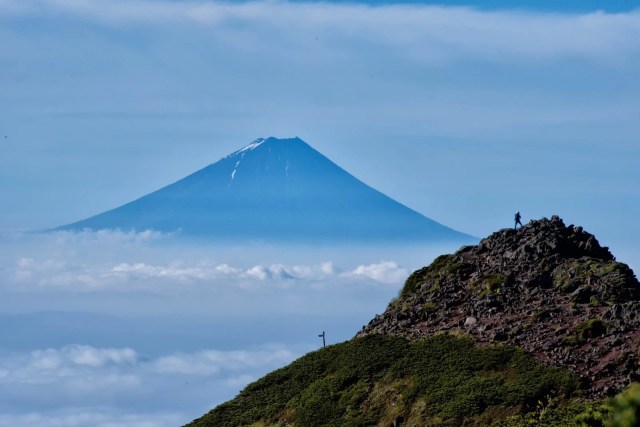
New reinforced shelters are designed to protect climbers from volcanic eruptions, falling rocks and lightning.
As Mt Fuji prepares for the start of the 2026 climbing season on 1 July,** two new emergency shelters have been installed on the Yoshida Trail**, improving climber safety in the event of a volcanic eruption or other mountain hazards.
The reinforced concrete shelters have been built along the Yoshida descent route near the seventh and eighth stations, and are designed to withstand volcanic debris. Inside, rubber flooring has been installed to help reduce the risk of electric shock during lightning strikes.
The shelters have been built into the mountainside to minimise their visual impact on the World Heritage-listed site. Each shelter measures around 2 metres (6.6 feet) high, 2.5 metres wide and 5.4 metres deep, and can accommodate up to 135 people during an emergency.
The two shelters were completed in December after construction began last September, making them** the first purpose-built volcanic evacuation shelters on the Yamanashi side of Mt Fuji’s descent route**. Despite being on Mt Fuji’s busiest climbing route, the downhill section previously had just five emergency shelter points, including restrooms and a mountain hut, compared with more than 10 on the uphill route.
Each shelter cost approximately 38 million yen (US$260,000) to build, with the project funded through climbing fees collected from visitors using Mt Fuji’s trails. Yamanashi Prefecture says it plans to install 13 emergency shelters on the mountain by the end of the 2031 financial year, further improving safety for the hundreds of thousands of people who climb Mt Fuji every year.
▼ Although Mt Fuji hasn’t erupted since 1707, it remains an active volcano, prompting the need for ongoing safety measures.
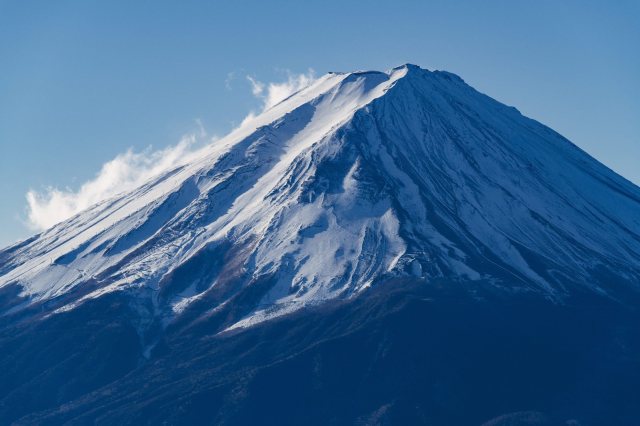
The shelters were unveiled following an annual inspection of Mount Fuji’s climbing routes by officials from Yamanashi Prefecture, Japan’s Ministry of the Environment, local police and neighbouring Shizuoka Prefecture. During the checks, it was confirmed that no snow remained on the summit trails that would prevent the Yoshida Trail from opening as scheduled on 1 July.
This year’s Yoshida Trail climbing season runs from 1 July to 10 September. Shizuoka Prefecture has brought forward the opening of the Subashiri Trail to 1 July to reduce the number of hikers accidentally descending on the wrong route, while the Fujinomiya and Gotemba trails are scheduled to open on 10 July.
Sources: FNN, YBS News, TV Asahi via Yahoo!News Japan
Note: This article content is being automatically formatted. For the original source formatting, visit the link below.
Original source:SoraNews24 ↗
More Japan News

Will heat waves push European holidaymakers to ‘coolcations’?
The concept of "coolcations" — vacations in a cooler clime — has been gathering pace in recent years and appears to have exploded in 2026.

U.S. holds fire against Iran as reports emerge of stockpile concerns
The pause could reflect pressure on stockpiles of Patriot interceptors and other defensive weapons, U.S. media reports said.

Family Mart’s new Famima flagship in Tokyo has a hidden gem that most visitors miss
A must-try convenience store drink you won’t find anywhere else. Earlier this month, Family Mart shook up the convenience store scene by opening its first-ever flagship store, Famima Park Azabudai. Lo