
Tokyo revises accommodation tax amidst tourism boom, Airbnb rentals now included
Both Japanese and overseas travellers could soon be paying more to stay in Tokyo. The Tokyo Metropolitan Government has announced major revisions to the city’s accommodation tax, replacing the current
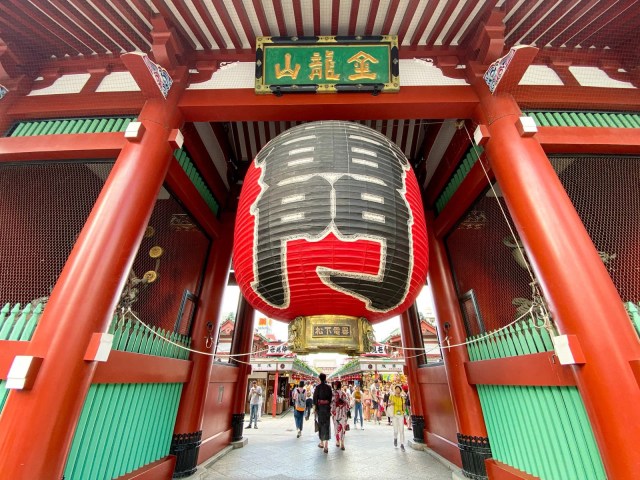
Both Japanese and overseas travellers could soon be paying more to stay in Tokyo.
The Tokyo Metropolitan Government has announced major revisions to the city’s accommodation tax, replacing the current flat-rate system with a percentage-based tax from April 2027.
Under the current system, guests staying in Tokyo hotels and ryokan (traditional Japanese inns) pay a tax of 100 yen (US$0.70) per person per night for rooms costing between 10,000 yen and 15,000 yen, and** 200 yen** per person per night for rooms costing 15,000 yen or more. Accommodation less than 10,000 yen is currently exempt.
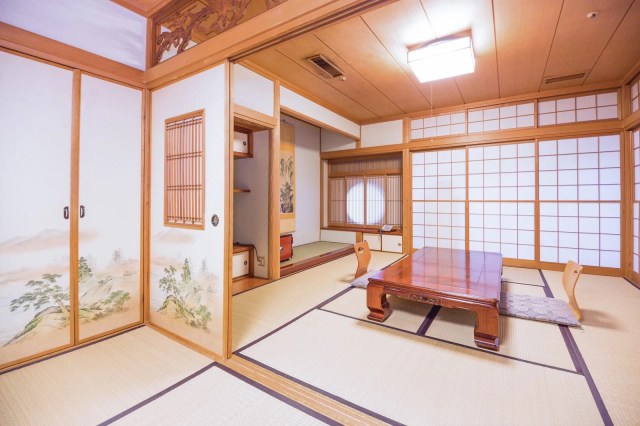
From April 2027, however, the tax-free threshold will be raised to 13,000 yen per person per night, while stays above that amount will be charged a three-percent fee. So in the case of two people sharing a hotel room that costs 30,000 yen per night, for instance, the accommodation tax would be 900 yen per night, or 450 yen per person.
This is more than twice the tax currently charged for the same accommodation, which works out to be 400 yen per night, or 200 yen per person under the existing system.
Another surprising change is that the new tax will also apply to private holiday rentals and guesthouses, which were previously exempt. That means stays at Airbnb-style rentals and other licensed private accommodation will also be subject to the tax, with guests paying the applicable rate based on the cost of their stay.
The new tax charges will apply equally to both Japanese and overseas visitors, with the government saying it would be too difficult to verify details, so the system is based on the act of staying overnight rather than nationality or place of residence.
▼ Even locals will be subject to the new tax.
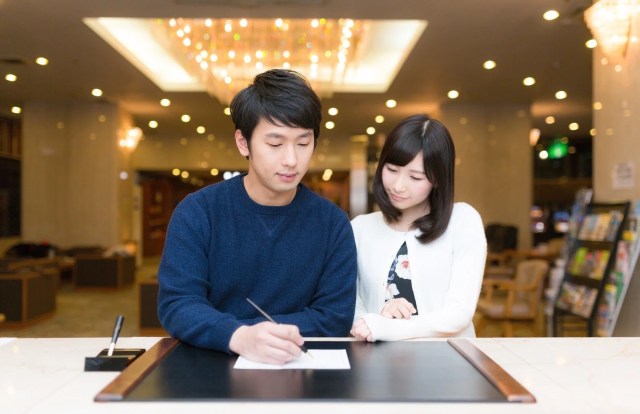
The updated system is projected to generate around 19 billion yen ($133 million) in annual revenue. The government says the money will be used for tourism-related initiatives, including improving the visitor experience, supporting local areas affected by tourism, strengthening accommodation services, and promoting cleaner and more sustainable tourism.
The introduction of the new tax reflects a wider trend across Japan, where more local governments are utilising accommodation taxes as a way to manage rising tourism demand. Cities like Kyoto, Osaka, Fukuoka and Kanazawa already charge lodging taxes, while other popular destinations are also considering similar measures.
For travellers planning a Tokyo trip from April 2027, the new system is likely to result in higher tax charges than before, especially for mid-range and luxury hotels. Visitors booking through hotels or online travel sites will likely see the tax included either in the displayed price or added separately during the booking process, depending on how each accommodation provider handles the charge.
Note: This article content is being automatically formatted. For the original source formatting, visit the link below.
Original source:SoraNews24 ↗
More Japan News

Will heat waves push European holidaymakers to ‘coolcations’?
The concept of "coolcations" — vacations in a cooler clime — has been gathering pace in recent years and appears to have exploded in 2026.

U.S. holds fire against Iran as reports emerge of stockpile concerns
The pause could reflect pressure on stockpiles of Patriot interceptors and other defensive weapons, U.S. media reports said.

Family Mart’s new Famima flagship in Tokyo has a hidden gem that most visitors miss
A must-try convenience store drink you won’t find anywhere else. Earlier this month, Family Mart shook up the convenience store scene by opening its first-ever flagship store, Famima Park Azabudai. Lo