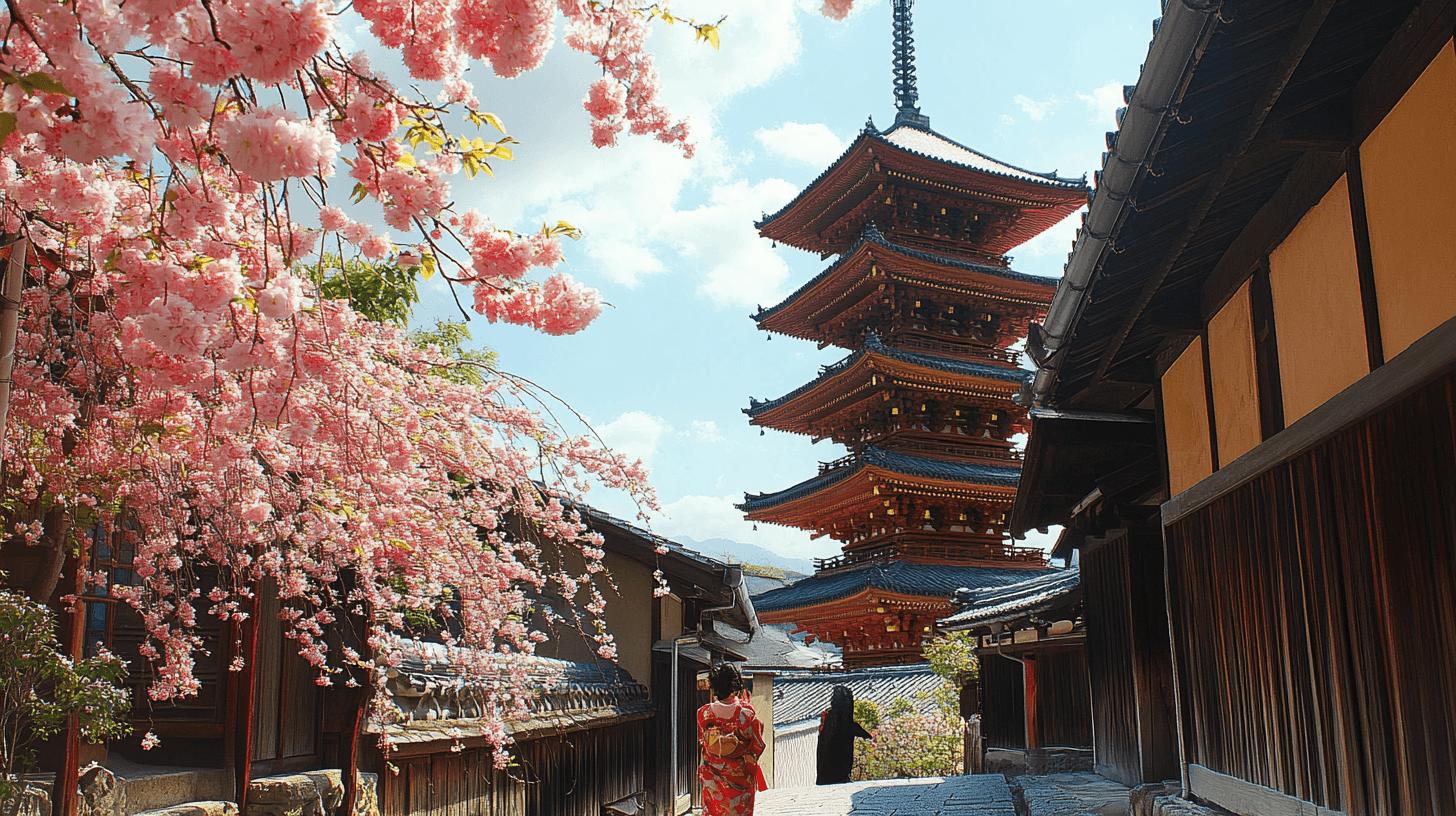
2026 Japan Cherry Blossom Forecast Released: Early Blooms Predicted for Tokyo & Kyoto
The news is officially out, and for many travelers, it's a wake-up call. On December 18, 2025, the Japan Meteorological Corporation (JMC) released its highly anticipated first forecast for the 2026 cherry blossom season.
The headline? Tokyo is set to bloom significantly earlier than the historical average.
If you have been eyeing the first week of April for your "Classic Sakura" trip, you may need to reach for your booking app immediately. With flowering in Tokyo and Nagoya predicted for March 19, the window of peak beauty is shifting into late March.
As a Japan-based travel specialist, I'm here to help you navigate this "Sakura Panic" with data, strategy, and the essential "pivot" plans to ensure your 2026 spring trip is still a pink-hued success.
The 2026 "Kaika" (Flowering) Map
The JMC utilizes complex AI modeling and data from over 1,000 Somei Yoshino observation points. This year's first forecast shows a distinct trend: a "fast-moving" front that rewards the early traveler.
2026 Sakura Forecast Schedule (First Release)
| City | Flowering Date (Kaika) | Peak Bloom Date (Mankai) | vs. Average Year |
|---|---|---|---|
| Tokyo | March 19 | March 26 | 5 Days Early |
| Nagoya | March 19 | March 28 | 5 Days Early |
| Fukuoka | March 20 | March 29 | 3 Days Early |
| Kyoto | March 24 | March 31 | 2 Days Early |
| Osaka | March 24 | March 31 | 3 Days Early |
| Kanazawa | March 31 | April 7 | 2 Days Early |
| Sendai | April 5 | April 10 | 3 Days Early |
| Aomori | April 19 | April 22 | 3 Days Early |
| Sapporo | April 28 | May 1 | 3 Days Early |
Note: These dates are estimates based on current weather patterns. The JMC will provide its second update on January 8, 2026.
Why 2026 is Different (The Weather Factor)
The "Sakura Front" is dictated by two things: the depth of winter dormancy and the speed of spring warming. According to the JMC, while January and February are expected to be seasonally normal, March 2026 is projected to be uncharacteristically warm.
This warmth acts as a catalyst, waking the buds from their slumber and pushing them toward Kaika (first bloom) faster than we've seen in recent years.
The Value for You: If you arrive in Tokyo on April 5—traditionally a "safe" bet—you are likely to see Hazakura (cherry trees with green leaves) rather than the iconic clouds of pink. The "Goldilocks Zone" for Tokyo and Kyoto in 2026 is now March 25 to March 31.
The "Sold Out" Solution (Pivot Strategy)
If you just checked your favorite hotel in Shinjuku or Gion and saw "No Availability," do not panic. Japan's geography is your greatest asset.
Option A: The Early Bird (Izu Peninsula)
If you are traveling in February or early March and think you've missed the window, head to Kawazu on the Izu Peninsula. The Kawazu-zakura variety is a deeper pink and blooms for a full month starting in early February. It is the perfect "fail-safe" for early arrivals.
Where to Stay
Option B: The "Little Kyoto" Pivot (Kanazawa)
While Tokyo and Kyoto are nearing 80–90% hotel capacity, Kanazawa (blooming March 31) often remains a hidden gem for a few weeks longer. It offers the same traditional aesthetic—samurai districts and tea houses—without the crushing density of the capital.
Where to Stay
Option C: The Mid-April Rescue (Tohoku)
If your flight is already locked for mid-April, move your itinerary North. Sendai (April 5) and the world-famous Hirosaki Park in Aomori (April 19) offer arguably better viewing experiences than Tokyo, featuring millions of petals and ancient castle backdrops.
Where to Stay
Pro-Tips for "Hanami" 2026
The 2026 season is expected to break records for inbound tourism. Survival in the crowds requires "The Japan Hack" mindset.
- The "Luggage Hack": Do not try to bring large suitcases onto the Shinkansen or through Kyoto Station during peak bloom. Use Takkyubin (luggage forwarding). Book it 48 hours in advance, as the sheer volume of tourists often causes slight delays in delivery during late March.
- The 7:00 AM Rule: If you want that "clean" shot of the Meguro River or the Philosopher's Path, you must be there at sunrise. By 9:00 AM, the most popular spots will have thousands of visitors, making photography nearly impossible.
- The "Depachika" Picnic: Avoid the long lines at restaurants near parks. Head to the basement of a major department store (like Isetan or Takashimaya) to buy a high-end Sakura Bento. It's faster, more authentic, and designed for Hanami.
References & Resources
- Official 2026 Forecast - Japan Meteorological Corporation (JMC)
- Real-time Updates - Otenki Navigator
- Official Travel Guide - Japan National Tourism Organization (JNTO)
Would you like me to design a 7-day "Pivot Itinerary" for late March that avoids the most crowded areas while still hitting peak bloom?
Continue Reading

Navigating Japan 2026: A Guide to Peak Travel Periods & Holidays
Planning Japan in 2026? Avoid the biggest crowd-and-price surges with this travel calendar guide to Golden Week, Obon, Silver Week, and other peak domestic travel windows.
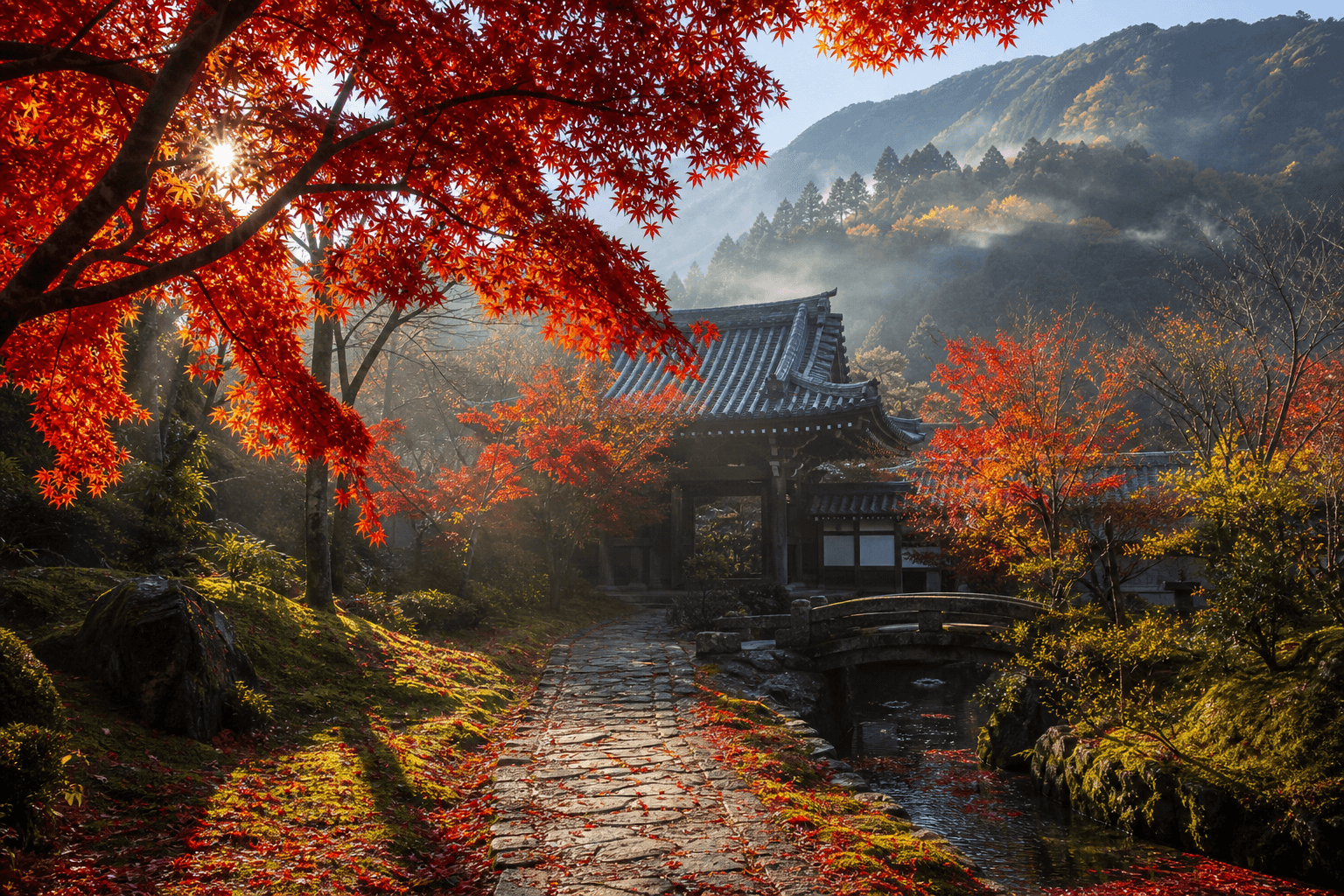
Japan’s Autumn Foliage 2026: The Ultimate Guide to Chasing Kōyō Across Japan
The first 2026 kōyō call is in: late or on average, Tokyo maple 29 November, Kyoto city 11 December. How the colour travels, why a city date is not a temple date, Silver Week’s five-day collision, and how to plan a trip that follows the leaves.

Japan 2026: New Rules & Changes Every Tourist Must Know
Major changes are coming for Japan travelers in 2026. From tripled departure taxes to a completely new tax-free shopping system, here's everything you need to know before booking your trip.

If you're looking for nicely crafted Japan tours, check out: Arigato Travel’s experiences.