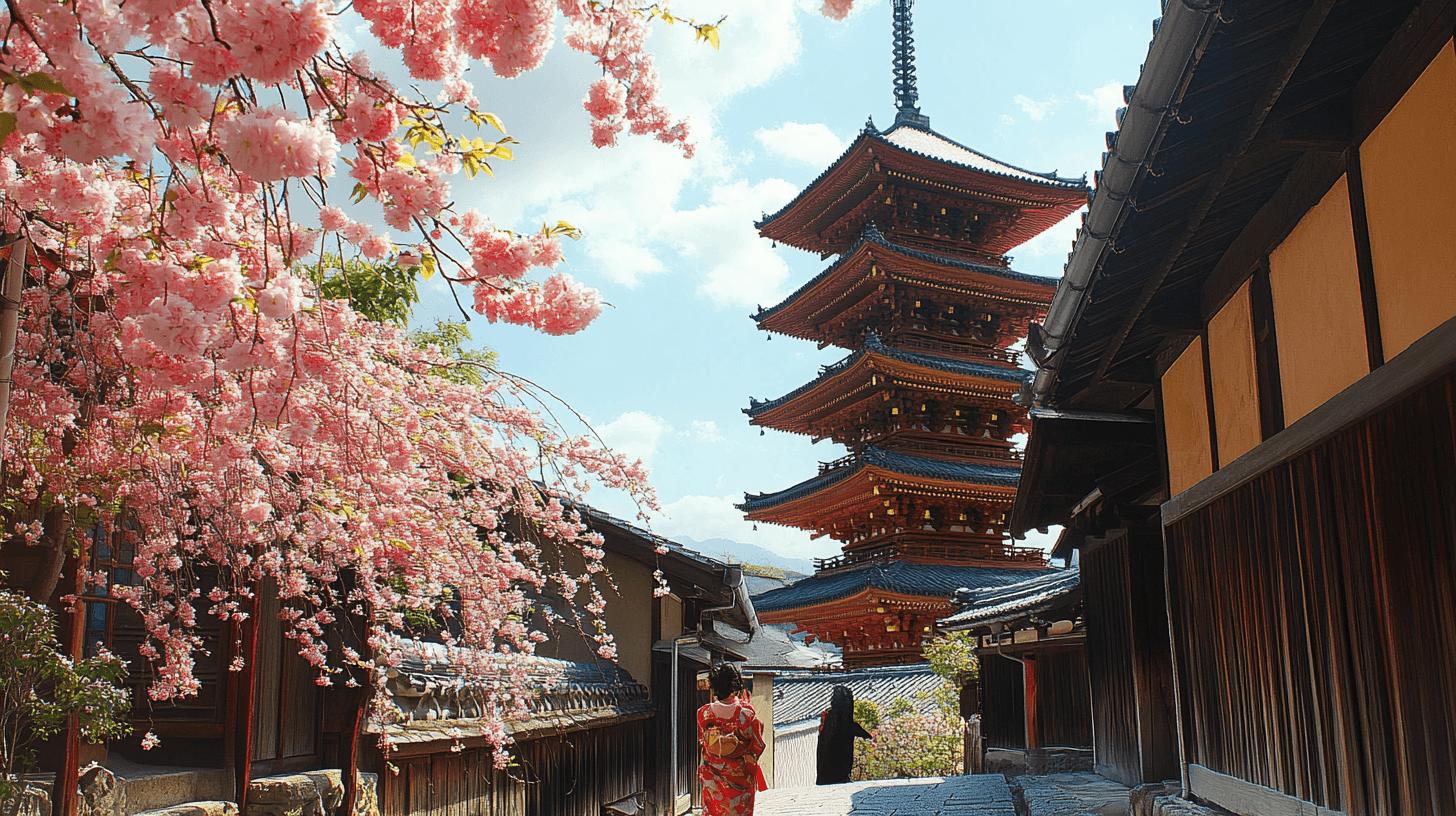
Navigating Japan 2026: A Guide to Peak Travel Periods & Holidays
Japan is a dream destination, but timing is everything. In 2026, several unique "calendar clusters" will create massive domestic travel surges. While these periods offer incredible cultural insights—like vibrant festivals and traditional customs—they also bring the "three Cs": Crowds, Costs, and Congestion.
If you are planning your 2026 adventure, here is a comprehensive breakdown of the dates to watch, why they matter, and how to navigate them like a pro.
📅 The 2026 "No-Go" Dates: Peak Travel Windows
If your goal is budget travel and empty Shinkansen (bullet train) seats, try to avoid these specific windows.
| Period | Dates | Holiday/Event |
|---|---|---|
| New Year Period | Dec 29, 2025 – Jan 4, 2026 | Shogatsu (New Year) |
| January Weekend | Jan 10 – Jan 12 | Coming of Age Day |
| February Weekend | Feb 21 – Feb 23 | Emperor's Birthday |
| March Weekend | March 20 – March 22 | Vernal Equinox |
| Golden Week | April 29 – May 6 | The "Big One" (Multiple Holidays) |
| July Weekend | July 18 – July 20 | Marine Day |
| Obon Season | August 8 – August 16 | Ancestor Festival (Peak Travel) |
| Silver Week | Sept 19 – Sept 23 | Rare 5-day Autumn Break |
| October Weekend | Oct 10 – Oct 12 | Sports Day |
| November Weekend | Nov 21 – Nov 23 | Labor Thanksgiving Day |
🚩 The "Big Three" to Watch in 2026
1. Golden Week (April 29 – May 6)
Golden Week is a cluster of four national holidays. In 2026, because of how the weekends fall, the peak travel period will stretch from April 29 to May 6.
- The Impact: This is the busiest week of the year. Hotels in Kyoto and Tokyo can double or triple in price. Express trains often sell out weeks in advance.
- Pro Tip: If you must visit, stay in Tokyo. While popular tourist sites will be packed, the business districts often become surprisingly quiet as locals flee the city for the countryside.
2. Obon (August 13 – 16)
Obon is a Buddhist tradition where families return to their hometowns to honor ancestral spirits.
- The Impact: In 2026, the peak travel rush will likely begin as early as August 8 and last through August 16. Expect extreme congestion on trains leaving major cities (like Tokyo/Osaka) at the start, and trains returning to cities at the end.
- The Bonus: This is the season of Matsuri (festivals) and Bon Odori dances. If you don't mind the heat and the crowds, the cultural atmosphere is unmatched.
3. Silver Week (September 19 – 23)
Unlike Golden Week, "Silver Week" only happens when the calendar aligns perfectly. 2026 features a rare 5-day consecutive holiday from Saturday, Sept 19 to Wednesday, Sept 23.
- The Impact: This is the first major Silver Week in years. Many Japanese residents will take the opportunity for a long autumn getaway.
- The Draw: September is the start of the autumn foliage in Hokkaido and higher elevations.
💡 Survival Tips for 2026 Travelers
1. The "Shoulder Season" Strategy
To get the best of Japan without the stress, aim for the weeks immediately following a major holiday.
- Mid-May: Right after Golden Week, the weather is perfect, and crowds vanish.
- Early June: The "rainy season" brings lush greenery and significantly lower hotel rates.
- Late October/Early November: Ideal for autumn colors with fewer domestic "long weekend" interruptions.
2. Book Transportation Early
If your trip overlaps with a holiday, use the SmartEX app or JR West/East websites to book Shinkansen seats exactly 30 days in advance. In 2026, unreserved cars on the Tokaido Shinkansen (Tokyo–Kyoto–Osaka) may be converted to reserved-only during peak periods like New Year and Golden Week.
3. Watch for New Year Closures
Unlike Western holidays, Japanese New Year (Shogatsu) is a time when many businesses—including small restaurants and even some museums—close entirely from Dec 29 to Jan 3.
- Lifesaver: Convenience stores (Konbini) like 7-Eleven and Lawson remain open 24/7.
🔗 Resources for Further Planning
- Japan-Guide: 2026 Public Holidays
- Matcha Japan: 2026 Travel Calendar
- Japanspecialist: Planning for 2026
The Bottom Line: Japan is incredible year-round, but a little calendar awareness goes a long way. If you can avoid the "red days" on the 2026 calendar, you’ll save money and have the Fushimi Inari gates (almost) to yourself.
Would you like me to create a customized 14-day itinerary that avoids these peak 2026 dates?
Continue Reading
Japan’s Autumn Foliage 2026: The Ultimate Guide to Chasing Kōyō Across Japan
The first 2026 kōyō call is in: late or on average, Tokyo maple 29 November, Kyoto city 11 December. How the colour travels, why a city date is not a temple date, Silver Week’s five-day collision, and how to plan a trip that follows the leaves.

Japan 2026: New Rules & Changes Every Tourist Must Know
Major changes are coming for Japan travelers in 2026. From tripled departure taxes to a completely new tax-free shopping system, here's everything you need to know before booking your trip.

2026 Japan Cherry Blossom Forecast Released: Early Blooms Predicted for Tokyo & Kyoto
The 2026 cherry blossom season brings major changes to traditional bloom timing. Tokyo and Nagoya are set to bloom significantly earlier than average, while Kyoto offers a strategic pivot for late March travelers.

If you're looking for nicely crafted Japan tours, check out: Arigato Travel’s experiences.