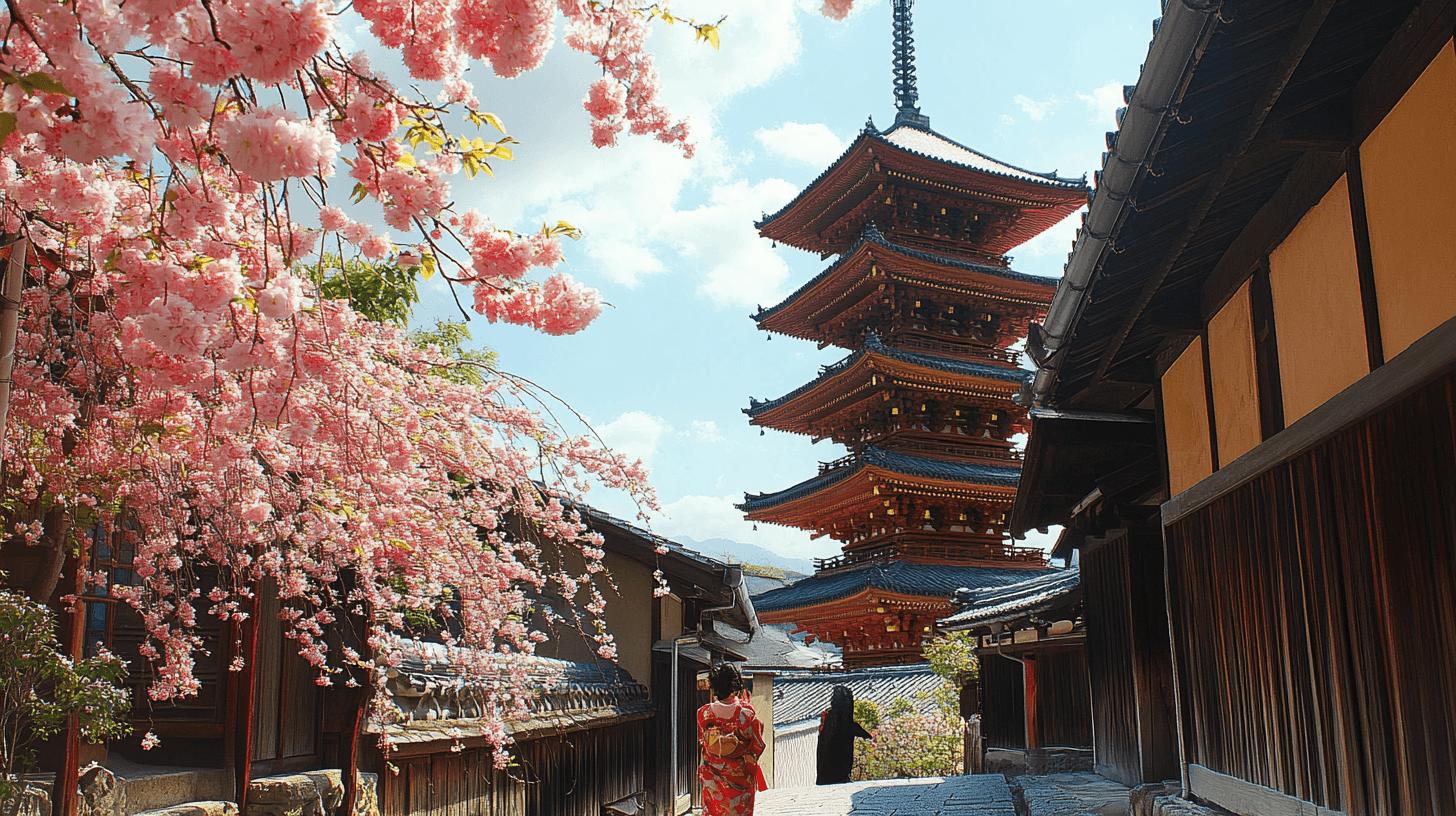
The Great Holiday Flip-Flop: A Traveler’s Guide to Christmas and New Years in Japan
Forget everything you know about the winter holidays. In Japan, Christmas is for lovers, New Year is for family, and Colonel Sanders is Santa Claus. Here is your thoughtful, fun guide to navigating the festive season in the Land of the Rising Sun.
If you are planning a trip to Japan between late December and early January, preparation goes beyond packing thermal underwear and figuring out the train system. You need to prepare for a cultural somersault.
For those raised in Western traditions, landing in Tokyo during the holiday season can feel like stepping through the looking glass. The elements are familiar — there are trees, tinsel, and familiar carols blasting in convenience stores — but the underlying script has been completely rewritten.
In the West, broadly speaking, Christmas is the hallowed family gathering, a day of quiet streets and closed shops. New Year’s Eve is the raucous party with friends, followed by a day of recovery.
In Japan? Flip that entirely upside down.
As a travel writer specializing in Japan, I often see visitors bewildered when they can’t find a turkey dinner on the 25th, or when they find themselves in an eerily silent metropolis on January 1st. To help you navigate this fascinating cultural inversion, let’s break down how Japan celebrates — and perceives — these two massive winter holidays.
Christmas in Japan: The Romantic Commercial Spectacle
In Japan, with only about 1% of the population identifying as Christian, Christmas is stripped of its religious weight. It is not a national holiday. Schools are in session; offices are buzzing. It is, essentially, a very sparkly, very commercial, normal weekday.
But oh, is it sparkly.
The Vibe: Valentine’s Day in December
If Christmas in the West is about cozying up with grandma, Christmas in Japan is about cozying up with a significant other. It has evolved into the premier date night of the year, carrying the same romantic pressure as Valentine’s Day back home.
Young couples book high-end French or Italian restaurants months in advance. Fancy hotels are booked solid for romantic staycations. The goal is an evening of sophisticated glamour, culminating in a stroll through an "illumination."
The Visuals: The War of Lights
Japan takes Christmas lights — called "illuminations" — very seriously. These aren’t just a few strings of bulbs on a bush. Whole districts, from Tokyo’s Roppongi Hills to Kobe’s Luminarie, transform into blindingly beautiful LED wonderlands. They are spectacular, free, and incredibly crowded with couples taking selfies.
Where to Stay for the Glow
The Food: The Gospel of Colonel Sanders
This is the detail that brings the most joy (and confusion) to Western travelers. The traditional Christmas dinner in Japan is KFC.
Thanks to a brilliantly successful marketing campaign in the 1970s ("Kentucky for Christmas!"), a bucket of fried chicken is now synonymous with the holiday. This is not a joke; people put in pre-orders for their party barrels weeks in advance, and the lines outside KFC outlets on Christmas Eve can stretch down the block.
The Dessert: Christmas Cake
Forget rich fruitcakes or spiced cookies. The Japanese Christmas cake is lighter than air: a delicate sponge cake covered in whipped cream and perfectly adorned with strawberries (the red and white mimicking Santa colors). It is consumed on Christmas Eve, and it is delightful.
What Travelers Should Expect on Christmas
Don’t expect a quiet day. The cities will be manic, shops will be open late, and restaurants will be packed. If you want a special dinner on the 24th or 25th, you must book weeks ahead. Otherwise, embrace the local vibe: grab a convenience store fried chicken, visit a dazzling illumination, and enjoy the energy.
The Pivot: The Lull Between the Storms
On December 26th, the whiplash occurs. In the West, Christmas decor lingers. In Japan, the trees and Santa statues vanish overnight, replaced instantly by kadomatsu (bamboo and pine decorations) and shimekazari (sacred ropes) to welcome the New Year gods. The shift in atmosphere is palpable. The frenetic commercial energy begins to wind down, replaced by a sense of hurried preparation for something truly significant.
Oshōgatsu (New Year): The Sacred Family Homecoming
This is it. The Big One. Oshōgatsu (New Year) is Japan’s most important holiday, akin to the Western Christmas combined with Thanksgiving. It is a time of deep tradition, family reunion, and spiritual renewal.
The Vibe: Hushed Reverence and Family Ties
While Westerners are looking for a countdown party on December 31st, most Japanese people are at home, watching the annual "Red and White Song Battle" (Kōhaku Uta Gassen) on TV, and eating toshikoshi soba (year-crossing noodles). The long noodles symbolize a wish for a long life and a clean break from the hardships of the past year.
As midnight approaches, the atmosphere isn’t explosive with fireworks; it becomes meditative. Across the country, Buddhist temple bells begin to ring 108 times — a solemn ritual to cleanse humanity of its 108 worldly desires. It is a haunting, beautiful sound that echoes through the crisp winter air.
The Main Event: January 1st–3rd
New Year’s Day is not for recovering from a hangover. It is for family. People return to their hometowns, dressed in their best kimono or suits.
The primary activity is Hatsumōde: the first shrine or temple visit of the year. Major shrines like Meiji Jingu in Tokyo see millions of visitors over three days. People line up to toss coins, pray for good fortune, and buy new amulets. It is crowded, yes, but the mood is joyous and respectful.
Where to Stay for the Tradition
The Food: Culinary Jewelry Boxes
The mother of all holiday meals is Osechi Ryōri. These are elaborate, multi-tiered lacquered boxes filled with foods cooked specifically to last for several days (giving the cooks a break). Every ingredient has a symbolic meaning: sweet black beans for hard work, herring roe for fertility, shrimp for longevity. They are stunningly beautiful, often expensive, and an acquired taste for some Western palates.
What Travelers Should Expect on New Year’s
This is the most challenging time for tourists. From January 1st through January 3rd (and sometimes longer for small businesses), Japan largely shuts down.
- The Great Slumber: Major department stores, many restaurants, and small shops will be closed. Tokyo can feel eerily deserted on the morning of January 1st.
- Transport Clogs: Trains leading out of major cities before New Year’s Eve, and back into cities around January 3rd, are packed to capacity.
- Survival Mode: As a tourist, you will rely heavily on convenience stores (which blessedly stay open) and hotel restaurants during these three days. Plan your meals ahead.
The Final Takeaway
To enjoy the holidays in Japan is to accept the flip-flop.
Don’t search for the Christmas you left behind; you won’t find it. Instead, dress up and marvel at the Tokyo lights, and maybe even try that holiday bucket of KFC just to say you did.
And when New Year’s arrives, step away from the party urge. Visit a local shrine at midnight to hear the bells ring. The sight of thousands of people quietly praying for a fresh start in the cold night air is far more memorable than any champagne toast.
Pro Tip
Continue Reading
Japan’s Autumn Foliage 2026: The Ultimate Guide to Chasing Kōyō Across Japan
The first 2026 kōyō call is in: late or on average, Tokyo maple 29 November, Kyoto city 11 December. How the colour travels, why a city date is not a temple date, Silver Week’s five-day collision, and how to plan a trip that follows the leaves.

Navigating Japan’s Akiya Opportunity: How Akiya X Brings Clarity and Qualification to Foreign Buyers
Japan’s countryside and regional towns hold millions of vacant or underused properties—known as akiya. A platform like Akiya X has emerged to address these exact pain points through a structured, foreigner-focused approach centered on a proprietary qualification system, lifestyle curation, transparency tools, and educational resources.

Japan 2026: New Rules & Changes Every Tourist Must Know
Major changes are coming for Japan travelers in 2026. From tripled departure taxes to a completely new tax-free shopping system, here's everything you need to know before booking your trip.

If you're looking for nicely crafted Japan tours, check out: Arigato Travel’s experiences.