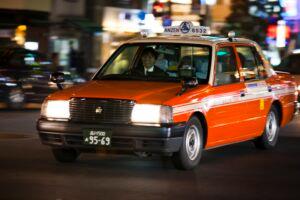
What Talking to Taxi Drivers Taught Me About Life in Japan
Ordinary taxi conversations revealed a more personal side of daily life, curiosity and human connection.
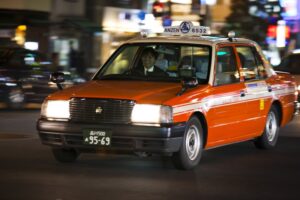
From legacy media to social media, immigration has become a key topic in Japan today. While there’s a fair amount of discussion about changes to Japan’s official policies regarding immigration and tourists, there’s also a lot of anti-foreigner rhetoric. If you read enough of this stuff, it can be pretty depressing. For me, talking to taxi drivers became another way to stay grounded and to find common ground beyond the headlines.
While it’s easy to start feeling powerless in the current climate, there are actions you can take in your everyday life. Are there new language proficiency requirements for certain visa types? Maybe it’s time to get serious about studying Japanese. Worried about your rights? Now would be a good time to get acquainted with the General Union.
Why Do I Talk to Taxi Drivers?
[
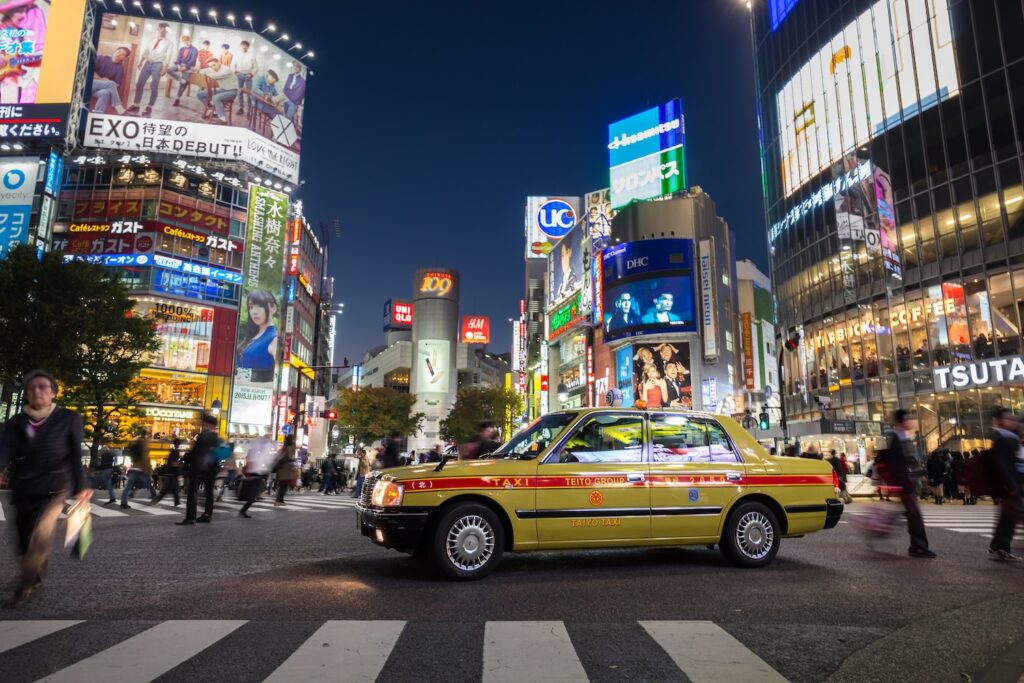
](http://cdn.gaijinpot.com/app/uploads/sites/4/2026/07/iStock-kasto80-talking-to-taxi-drivers-japan.jpeg)If you hail them, they will come (usually).
The sad truth is that individuals from other countries can do little to change the big picture. But in our day-to-day lives, we can make small differences.
It’s a strange setting for reflection—boxed in a moving vehicle with someone I’ll likely never see again, but that’s also what makes it convenient.
I used to take taxis occasionally, and drivers would often ask a standard set of questions about where I was from and why I had decided to live here. I usually gave my stock answers, and before I knew it, I had arrived at my destination. So, I took these rides as an opportunity to build intercultural bridges, hoping to humanize both sides amid increasing political polarization.
Talking About Life in Japan
[
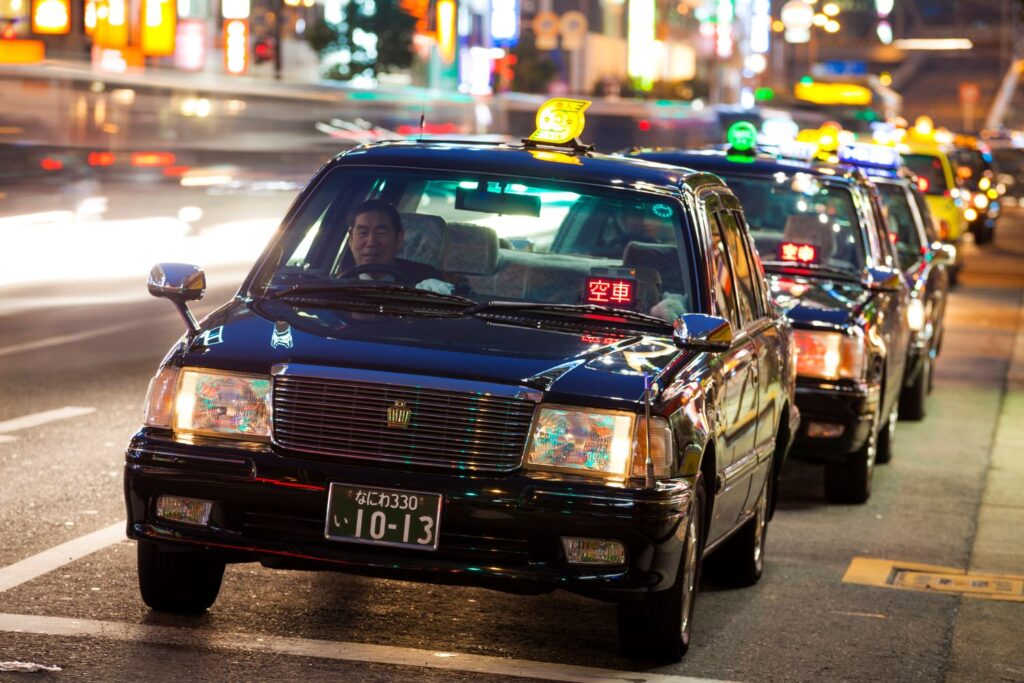
](http://cdn.gaijinpot.com/app/uploads/sites/4/2017/07/iStock-holgs-japan-taxi.jpg)They’re waiting.
After explaining that I’m a resident rather than a tourist, many drivers seem curious about what foreigners think of living in Japan.
-
“Nihon no natsu wa hontou ni atsui desu ne.“(Japanese summers are really hot.)
-
“Kanji tte muzukashii desu yo ne. Nihonjin no watashi demo nigate desu.“(Kanji is difficult, isn’t it? Even I struggle with it as a Japanese person.)
There was a kind of rhythm to these exchanges—me offering observations, them folding in their own—without either side needing to over-explain.
In these moments, connection comes less through explanation than through shared conditions. For a brief stretch of time, the categories of “foreign” and “local” stop being useful.
A lot of political rhetoric recently tries to paint this contrast as a fact, forever unchanging and packaged in a classic case of “us” and “them.” But, inside this taxi, that seemingly rigid distinction shows its impermanence, its malleability.
In the end, we’re just two people describing the same weather, the same systems, the same daily friction. These are the moments where the idea of a “bridge” is most literal: not abstract understanding, but alignment in the ordinary.
The Driver That Stopped Talking
The driver started the meter and asked: “Where are you from?” in English. I responded in Japanese about my hometown and that I’ve been living in Japan for years.
In my experience, drivers usually get chattier once they realize I’m a resident who can also speak Japanese. But this time, he stopped talking almost entirely, even after I tried extending the conversation with soft topics like the weather.
He wasn’t rude—just brief.
-
“Sou desu ne.”(I see.)
-
“Hai.”(Yes.)
Silence isn’t uncomfortable exactly—more like we had both run out of agreed-upon scripts.
I wondered whether I had inadvertently thrown the driver off. Given his eagerness at the start of the ride and the silence that followed, I wondered if he had a standard set of expectations for English-speaking tourists.
As a resident, I would have enjoyed that version of the conversation, too, but the exchange never materialized into something shared. It stands in contrast to other rides in which a mutual rhythm formed quickly and naturally.
The Ride That Didn’t Happen
This moment sits differently from the others; not as another example of connection, but as a disruption of it. At the taxi stand, a driver pulled up. As I prepared to load my belongings into the trunk, he waved his arms and said, “No.”
It wasn’t loud, just final.
Then he gestured repeatedly to the couple behind us in line. Unsure, they took the taxi and drove off. The next driver in line called us over, and we got in.
-
“*Taihen moushiwake arimasen. ***(I’m very sorry)
-
Ano kata, sore wa shite wa ikenai n desu. Watashi ga houkoku shimasu.”(He’s not allowed to do that. I will report him.)
Even now, I still think about that experience sometimes. The only ride where the expected social flow of taxis in Japan didn’t hold, before immediately being restored by the next driver.
**On Birthright Citizenship **
While I’m used to talking about nationality, I was caught off guard by a conversation about citizenship. Japan doesn’t have birthright citizenship. Only children born to at least one Japanese national can receive citizenship at birth.
But to this driver, that shouldn’t be the case. He believed that all children born in Japan should be eligible for Japanese citizenship, regardless of parental nationality.
The idea of broadening access to citizenship stood in stark contrast to Japan’s current political climate. In April 2026, a new set of administrative hurdles makes naturalization harder for foreigners.
New requirements include a minimum of 10 years of residency, up from five, and greater scrutiny over tax and social insurance payments. It begins to feel like we’re unwelcome. But then you meet someone like my driver, who is just genuinely curious about how foreigners live in Japan.
-
“Oko-san wa eigo dou yatte iji shiterun desu ka?”(How do your children keep up with English?)
-
“Nihon no gakkou wa najimete imasu ka?”(Do they feel comfortable in Japanese schools?)
These were practical questions, grounded in daily life rather than abstract debate. In that sense, the conversation extended the same pattern seen in other rides—where exchange is not ideological, but based on lived experience and curiosity about how life actually works across different contexts.
**Talking About Family **
[
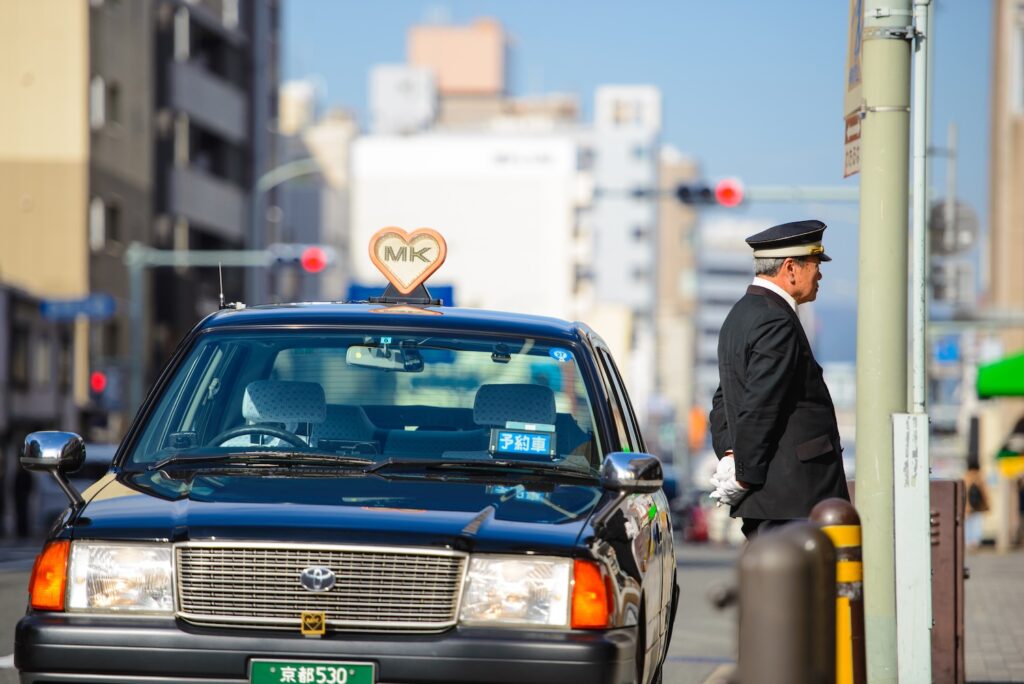
](http://cdn.gaijinpot.com/app/uploads/sites/4/2026/07/iStock-Brofish-talking-to-taxi-drivers-in-Japan.jpeg)They often know more about the city than anyone.
Because I’m often with at least one of my kids when I take a taxi, my conversations tend to revolve around family life. During one ride, my driver turned around at a red light to share a picture of his grandchildren.
The phone screen reflected briefly in the rear-view mirror before he tucked it away again at the next light. Over the next five minutes, we talked about toy trends, and we shared a lot about each other. I learned that he was nearing retirement and was caring for not only two grandchildren but also his son, who was unwell, all under a single roof.
The details were vague, but it seemed that both his son’s wife and the driver’s own wife were no longer around. The exchange didn’t feel structured or deliberate, but something quietly reciprocal emerged in how the conversation unfolded.
A casual conversation quickly turned into intimate glimpses of his life. Contrary to his situation, the number of multi-generational households is becoming rarer each year, a trend related to Japan’s aging population and broader cultural shifts. But numbers tell just one part of the story, and the lived experiences of real individuals often get lost in the data.
I’m trying to steer the family ship through balancing our budget and finishing homework amidst the changing political tides. Meanwhile, my driver has his own journey, one that comes with loss and struggle, but also love and care.
There was a brief sense of mutual recognition across very different lives.
Feeling Empowered in Everyday Life
[

](http://cdn.gaijinpot.com/app/uploads/sites/4/2026/07/iStock-tdub303-waiting-for-a-taxi-in-Japan.jpeg)Notice the little things.
In many ways, individuals have limited influence over large-scale narratives. But we do have repeated, ordinary chances to meet people as they are—without the framing of headlines or categories.
Whether it’s striking up conversations with other parents at your child’s school, the cashier at the local bakery, or fellow customers at a standing bar after work, there are always moments to exchange a few words.
As long as you’re friendly and respectful of people’s comfort levels, you can walk away having talked to another human. And hopefully, they will too.
Talking to taxi drivers has reminded me that these small conversations can quietly challenge assumptions on both sides. Have you tried it? Let us know in the comments.
Note: This article content is being automatically formatted. For the original source formatting, visit the link below.
Original source:GaijinPot Blog ↗
More Japan News

How a British Man Became Japan’s Cheese Guy in Okinawa
Looking for the best cheese in Japan? Discover the story of John Davis, the cheese guy in Okinawa, and his artisan shop.

Ricchaadotv on Comedy, Music and Expat Life in Japan
Viral creator @Ricchaadotv sits down with GaijinPot to talk about his alter-egos, couch surfing in Tokyo and making it in Japan.

How to Clean Your Japanese Air Conditioner
Fight off dirt and mold with our guide to cleaning your Japanese air conditioner to keep your home at the ideal temperature year-round.